Scientists Estimate Precision-Fermented Milk Could Use 96% Less Land
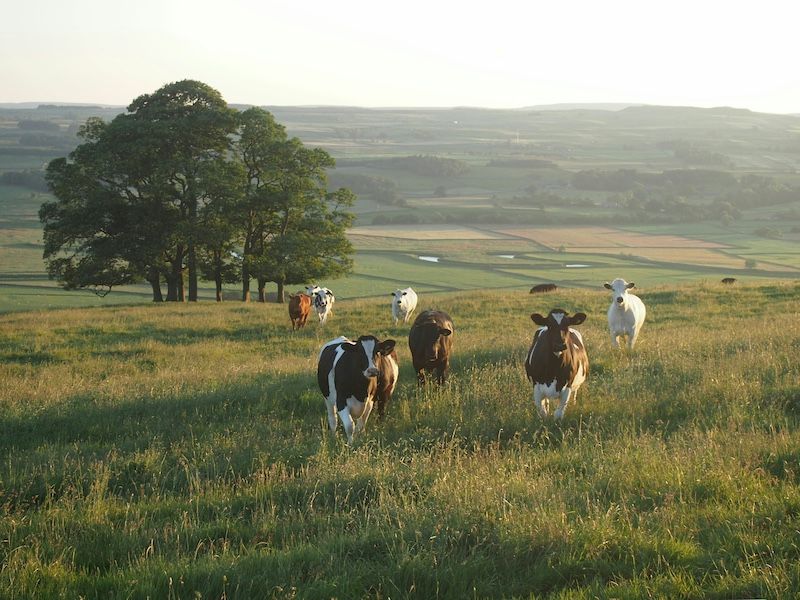
A study by researchers at Imperial College London examined the land-use implications of producing milk proteins without dairy cows. The researchers compared precision-fermented milk with conventional milk, which requires pasture for cattle as well as cropland to grow animal feed.
Precision fermentation uses genetically modified microorganisms, including yeast and bacteria, to produce selected milk proteins. Scientists provide the microbes with genetic instructions and grow them in bioreactors, where a sugar-based feedstock is converted into the required proteins. The resulting product is made without animals and contains the same proteins found in dairy milk.
The technology is not new to food production. Precision fermentation has been used for decades to make chymosin, an enzyme widely used in cheesemaking. Companies have more recently applied the process to proteins traditionally obtained from milk and eggs.
For their analysis, the Imperial researchers modelled what broader use of the technology could mean for land in the United Kingdom. They estimate that replacing one-fifth of the country’s cow’s-milk output with precision-fermented milk could make approximately 859,000 hectares available by 2050. That area is equivalent to about 2.1m acres.
Replacing all milk produced by cows in the UK could release an estimated 4.29m hectares, or about 10.6m acres. The study compares that area with the size of mainland Denmark. The researchers identify possible uses including forest and peatland restoration, rewilding and the production of other foods.
The researchers say further work is needed to assess the full land requirements and other environmental effects of precision fermentation at large scale. Their estimates concern land use and do not establish that the technology can replace conventional dairy production at that scale. The study is titled “UK land use implications of replacing dairy farming with precision fermentation.”