Russian Dairy Producers Strengthen Engagement with HoReCa
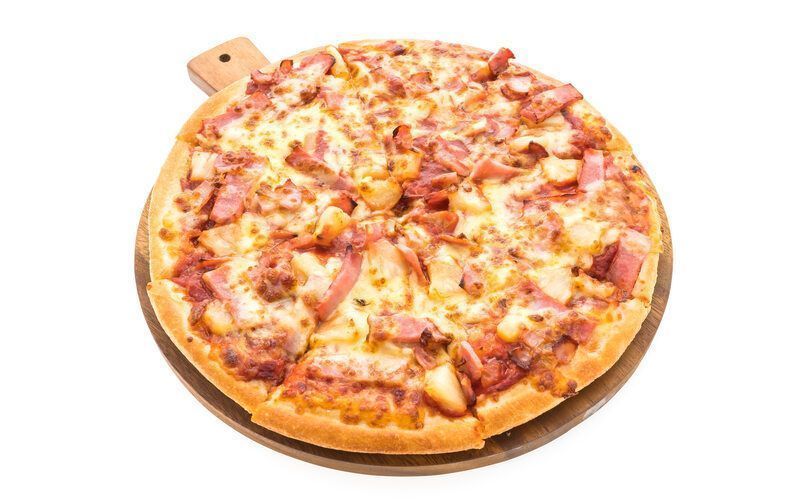
According to Artem Belov, CEO of Soyuzmoloko, food service accounts for about 80% of supplies for the 'pizza cheese' category. In the drinking milk segment, HoReCa constitutes about 20% of the volume, or more than 1 million tons annually, with cafes being the primary buyers. The category of curd cheeses, mozzarella, and feta sees about 30% going to cafes and restaurants.
'For the position "pizza cheese," food service forms about 80% of supplies. For drinking milk, HoReCa's share is 20% of the volume—more than 1 million tons per year; cafes predominantly purchase this milk. In curd cheeses—mozzarella or feta—about 30% goes to cafes and restaurants,' noted Artem Belov.
The demand from HoReCa is becoming increasingly specialized. Cafes are creating a steady demand for ultra-pasteurized milk with specific organoleptic properties, primarily for making coffee beverages. As noted by Andrey Shchetinin, purchasing director at "Lebedyanskmoloko," not only the taste and consistency of the product are important for this segment, but also its technological characteristics.
'Since last year, we have launched a project for the production of ultra-pasteurized milk, and a significant portion of this milk goes to HoReCa. Mostly, it is cafes. The requirements are the organoleptic properties and characteristics of milk and cream, which are important for beautiful visual presentations when preparing coffee drinks,' said Andrey Shchetinin.
For producers, this means the need for deeper control over raw materials. Specifically, "Lebedyanskmoloko" requests data on cows' diets from suppliers, as the content of true protein affects the quality, fluffiness, and stability of milk foam.
In the cheese category, there is also growing demand for higher quality and specialized products. According to Maxim Polyakov, CEO of "Foodland," there is an ongoing issue with the quality of mozzarella in the market.
'Today, mozzarella is not mozzarella—about 10% is genuine in the market. The rest is a product that is not called mozzarella, although it is labeled as such,' noted Maxim Polyakov.
Alexey Glazkov, commercial director of "Gorodetskaya Cheese Factory," confirms the growing interest of restaurants in artisanal cheeses. According to him, over the past two years, chefs have gradually switched from industrial cheeses to more natural and specialized products.
'In the last two years, chefs have steadily switched from industrial cheeses to artisanal ones. The most demanded in HoReCa are white mold, blue mold, and cheeses from the pasta filata group,' reported Alexey Glazkov.
Entering HoReCa requires dairy plants to adapt recipes, packaging, and production processes. Vladislav Cheburashkin, co-owner of the "Cheburashkin Brothers" company, noted that for working with the "Coffeemania" chain, the enterprise created separate production solutions.
'We built a small special workshop, use separate recipes and processes in the production of milk, cottage cheese, butter. In the course of cooperation, we learned to quickly develop new niche products for the customer, make small "craft" batches, and test our capabilities. This is undoubtedly more expensive, but it is a very valuable experience,' he said.