Rising Temperatures Reshape European Agriculture and Food Supply

European agriculture and food systems are experiencing profound changes as a result of sustained heatwaves and increasing temperatures across the continent. These climatic shifts are no longer considered temporary anomalies but are recognized as persistent forces altering the industry.
Geographical Shifts in Agriculture
Traditional growing regions for climate-sensitive crops such as wine grapes, olive oil, grains, and fruits are moving northward to cooler areas in Central and Northern Europe. The southern Mediterranean regions, meanwhile, face challenges like droughts and soil degradation, leading farmers to adopt heat-tolerant crop varieties and advanced irrigation techniques.
Impact on Livestock and Dairy Production
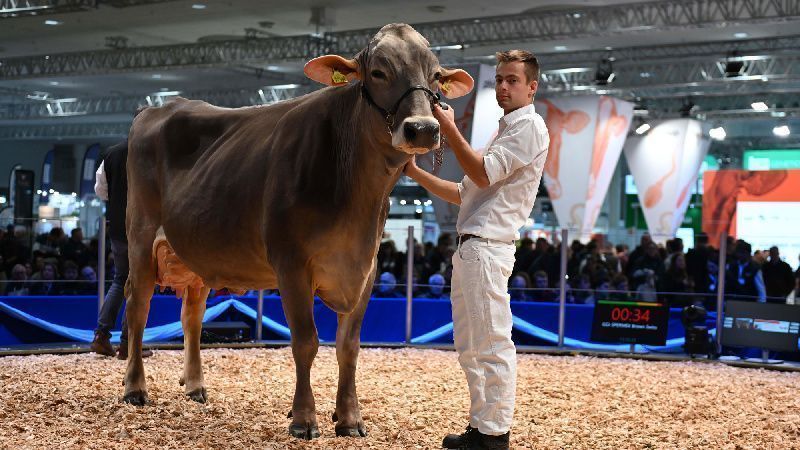
Higher temperatures are significantly impacting livestock operations, with heat stress reducing feed intake and affecting animal health. This has led to noticeable drops in milk production per cow and changes in the fat and protein composition of milk across Europe. To combat these issues, farmers are investing in climate-controlled housing and enhanced ventilation systems.
Supply Chain and Manufacturing Challenges
The food manufacturing and supply chain sectors are facing increased operational costs due to the need to maintain cold-chain integrity during heatwaves. This has become more energy-intensive, raising logistics overheads and spoilage risks. Processors are adjusting production schedules for heat-sensitive products like chocolate to cope with the challenges posed by summer heat.
Changing Consumer Preferences
Consumer preferences are also shifting, with a move away from heavy, cooked meals towards more hydrating and convenience-focused items, such as plant-based alternatives and cold beverages. This change is driven by the warming climate and its impact on agricultural stability.
Long-Term Industry Adaptations
As climate volatility continues to affect European agriculture, food manufacturers and retailers are increasingly focusing on supply chain resilience, alternative protein sources, and climate-adaptive sourcing strategies to ensure long-term viability.