Restoration of Liconsa Milk Supply in Celaya After Road Blockades
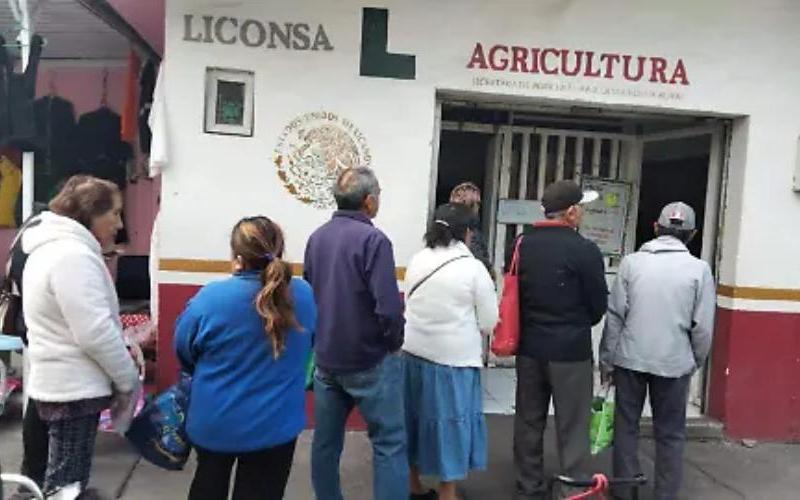
The distribution service of Liconsa milk in Celaya has returned to normal after being critically interrupted by road blockades in the region. This event underscored the extreme vulnerability of the dairy supply chain, particularly for social programs reliant on daily and timely delivery. Milk, as a perishable product with limited shelf life and high social demand, requires uninterrupted logistics. Any disruption on the roads translates immediately into a risk of shortages for beneficiaries and economic losses due to undelivered products.
The service interruption directly affected the most needy families dependent on subsidized Liconsa milk prices to ensure basic nutrition. In these programs, time is a critical factor: each day of delivery delay means a day without an essential food at an affordable price. This incident should serve as a warning to authorities about the necessity for contingency routes and security protocols to ensure the prioritization of food supply vehicles in situations of social conflict or blockades.
From a logistical management perspective, the restoration of service demonstrates the reactive capacity of Liconsa and its transport operators. However, the recurrence of road blockades in Mexico is a systemic risk that must be addressed with route diversification strategies and possibly the strategic storage of a product reserve in key regional centers, thus mitigating the impact of stoppages on the final consumer.
For the dairy industry supplying Liconsa, the continuity of distribution is equally important. Although the interruption was external to production, the temporary shortage creates bottlenecks and can affect the purchasing and storage capacity of the social organization in the subsequent days. The efficiency of the cold chain and transportation is a shared responsibility among producers, processors, and delivery logistics.