Researchers Detect Microplastics in Indian Milk
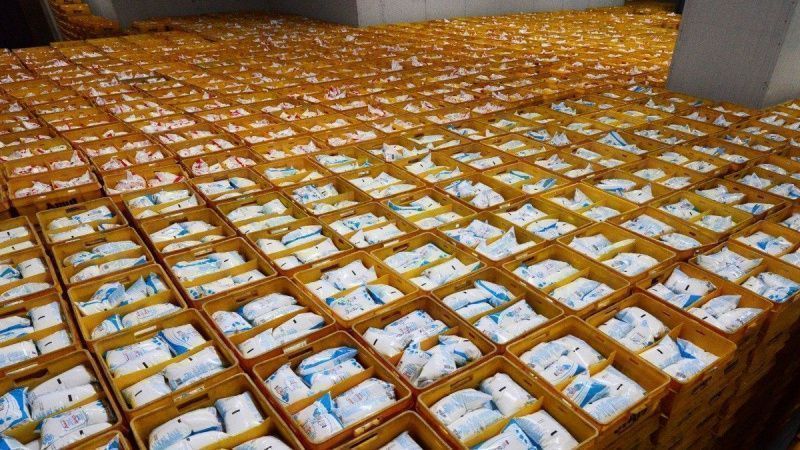
Published in the Journal of Food Composition and Analysis in September, the study examined commercially packaged milk and raw cow milk collected locally. Most of the detected material consisted of fibres or fragments. The findings document the presence of microplastics in the tested samples but do not establish a precise source for the contamination.
Earlier research has reported microplastics in other milk samples. A study published in Food and Chemical Toxicology in January tested six widely consumed packaged milk brands as well as farm-fresh milk. It found about 17.8 particles per litre in farm milk, compared with approximately 37.8 to 71.1 particles per litre in the packaged samples.
The difference between the sample groups does not identify packaging as the sole source. Plastic may enter the dairy chain at several stages before milk reaches consumers. Possible routes listed by researchers include fodder bags, milking machinery, filtration systems, processing equipment and materials used for packaging.
Contamination may therefore occur during production, collection, processing, filtration or final packing. The research places attention on equipment and materials used across the chain rather than only on the container holding the finished product. Testing and controls would need to account for these different points of contact.
The health significance of the findings remains under investigation. Detecting microplastics in milk does not show that consuming a particular amount causes disease. Scientists are studying how particle size, polymer composition and exposure levels may affect the body, with nanoplastics receiving attention because of their smaller dimensions.
Laboratory and animal studies have linked microplastic exposure with inflammation, oxidative stress, tissue damage and changes in cellular activity. Microplastics have also been detected in human blood, liver, colon, semen and breast milk, but those findings do not establish the consequences of long-term exposure or prove that the particles caused a specific illness. The current research does not advise consumers to stop drinking milk; it identifies the need for further investigation and efforts to reduce avoidable contamination.