Record U.S. Milk Production Amid Declining Replacement Heifers
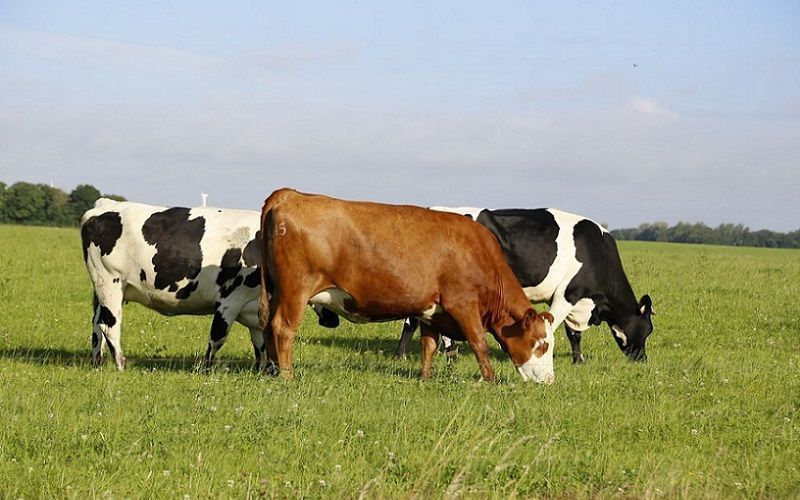
The United States has witnessed a record high in milk production, even as the number of replacement heifers continues to decline. This trend poses potential risks for the future supply within the dairy markets. The increase in milk output has been achieved despite a shrinking herd, which could lead to long-term supply challenges.
Industry experts note that the decline in replacement heifers, which are essential for maintaining herd size and productivity, is a critical factor to monitor. The current situation suggests that while production is high, it may not be sustainable if the number of heifers does not stabilize or increase.
Data from the U.S. Department of Agriculture highlights the record-breaking production levels, yet emphasizes the importance of addressing the heifer shortage to ensure future stability in milk supply. The challenges associated with maintaining a balanced herd composition could lead to market fluctuations if not addressed promptly.
Analysts suggest that the dairy industry must focus on strategies to increase heifer numbers to maintain production capacity. This includes improving breeding programs and possibly adjusting market incentives to encourage herd growth. Without such measures, the current record production may mask underlying vulnerabilities in the supply chain.
The situation underscores the complexity of dairy herd management and the need for proactive measures to ensure continued productivity and market stability. The potential risks associated with a declining heifer population make it imperative for the industry to act swiftly to secure future production capabilities.