Quebec Court Approves Lawsuit Over Non-Dairy Milk Charges by Coffee Chains
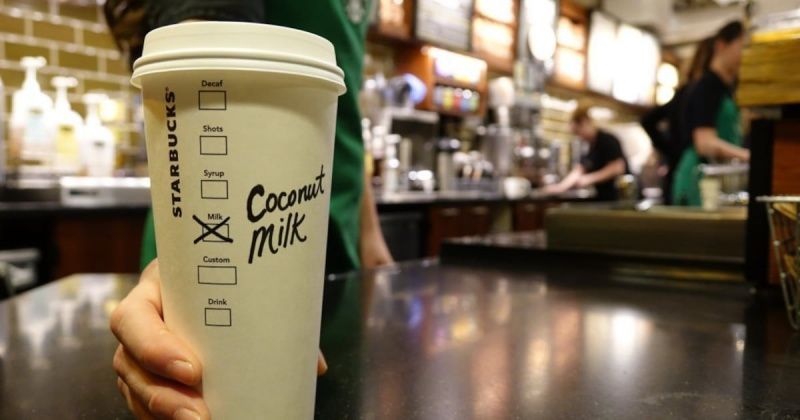
A judge in Quebec has approved a class-action lawsuit against several major coffee chains, including Starbucks, Tim Hortons, and Second Cup, for allegedly overcharging customers for non-dairy milk alternatives. The lawsuit claims that these companies have been engaging in price gouging by charging significantly more for plant-based milk options such as soy, almond, and oat milk compared to cow's milk.
The case was brought forward by Liel Ohayon, a Montreal resident and regular customer of the coffee chains. Ohayon, who is vegan, argued that her preferred beverage, a matcha latte, cost considerably more when ordered with non-dairy milk. For example, at Second Cup and Starbucks, the drink is priced at $6 with cow's milk, but rises to $6.80 when soy or oat milk is used.
During the proceedings, Starbucks acknowledged that substituting cow's milk with a non-dairy alternative incurs an additional cost of $0.12, yet customers are charged $0.80 for the switch. Superior Court Justice Catherine Martel noted in her judgment that it does not seem unreasonable to argue that charging more than six times the cost incurred by the company could cause significant harm to consumers.
The legal action represents all consumers in Quebec who paid extra for non-dairy milk in their beverages at Starbucks between December 30, 2021, and November 7, 2024; at Second Cup from December 30, 2021, to February 27, 2025; and at Tim Hortons from December 30, 2021, to January 2, 2025.
Notably, Starbucks announced in the fall of 2024 that it would cease charging customers additional fees for non-dairy milk. Tim Hortons and Second Cup followed with similar policies in January and February 2025, respectively. Despite these changes, the lawsuit aims to hold these companies accountable for their past pricing strategies.
Joey Zukran, the lawyer representing the plaintiff, expressed that the outcome of this lawsuit could set a legal precedent, potentially influencing other coffee shops to reconsider their pricing models for non-dairy milk options.