Plant-Based Milk Shows Growth in US Foodservice Amid Shrinking Price Gap
In the United States, the foodservice sector has seen significant growth in the sales of plant-based milk products, with a 16% increase last year, outpacing conventional milk sales. This rise is attributed to the growing adoption of non-dairy alternatives in restaurants, coffee shops, and non-commercial food outlets. According to the Good Food Institute (GFI), the dollar sales of non-dairy milk reached $288 million, with a consistent growth trajectory over the past five years, comprising 13% of total milk-pound sales.
In addition to milk, plant-based creamers have also seen an increase, with dollar sales totaling $189 million and a 3% rise in pound sales. These products now dominate 28% of the creamer market in the foodservice channel. The GFI report indicates that the elimination of plant-based surcharges in coffee chains has contributed to this trend.
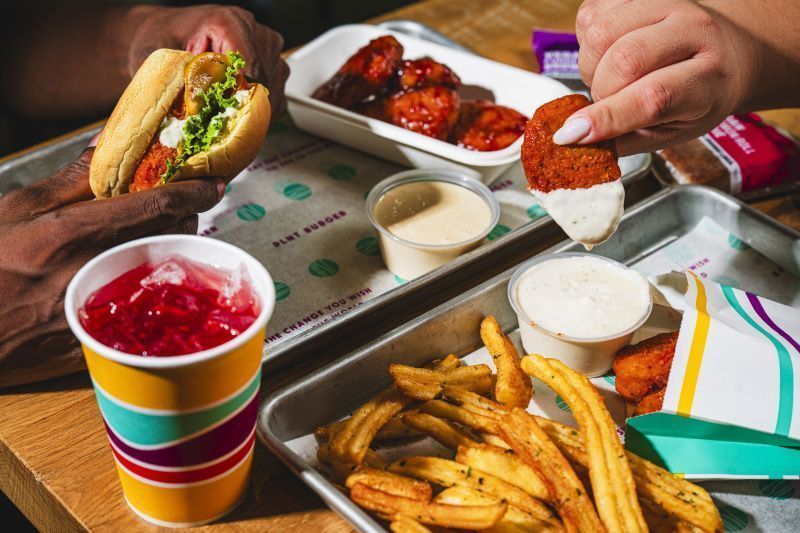
Conversely, the plant-based protein segment, including meat alternatives, tofu, tempeh, and whole-food formats, experienced a 7% decline in sales. Despite this downturn, certain categories like plant-based pork saw incremental gains, with a 3% increase in dollar sales. Popular formats include pork crumbles and chicken nuggets, which rose by 28% and 12% respectively.
While restaurants remain major buyers of plant-based proteins, a 15% drop in their purchases was noted, with 85% of restaurants not offering plant-based dishes on their menus. In contrast, sales in non-commercial outlets such as education and healthcare facilities are increasing.
Price remains a significant factor, with plant-based meat priced 65% higher than conventional meat, though the gap is narrowing due to rising meat prices. Milk alternatives are 72% more expensive, while vegan eggs have the highest price difference at 170%. However, tofu and tempeh offer a 41% reduction compared to animal protein.
Consumer preferences highlight taste and affordability as key drivers for the adoption of plant-based foods. A survey conducted by GFI and Morning Survey revealed that 46% of respondents would be more inclined to purchase these products if they had appealing flavors, and 40% demanded meat-like taste and texture.
The GFI report underscores the potential for increasing consumer engagement with plant-based foods by improving taste and reducing prices, along with strategic marketing efforts emphasizing health benefits and peer recommendations.