Plant-based milk sales fall as dairy sales rise
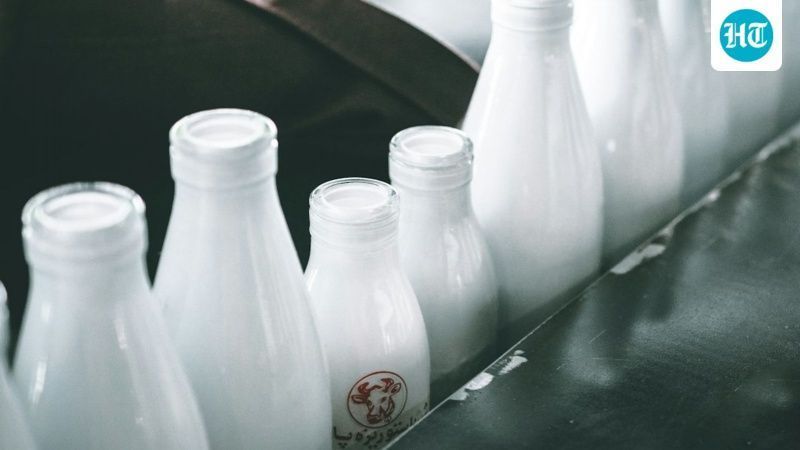
Plant-based milk sales have weakened across several major markets. In Britain, volumes fell by 2.5% in the year to June, while growth slowed in France, Italy, the Netherlands and Spain. Circana, a market-research firm, recorded a 5.4% decline in the volume of plant-based alternatives sold in America over the past year.
Almond milk, the largest-selling category, performed worse than the overall market, with volumes down 7.9%. Dairy milk sales, by contrast, have started to edge higher after a prolonged decline. The price of milk fell in 2023, and some shoppers facing financial pressure after the pandemic shifted back towards dairy products.
Plant-based drinks became mainstream during the 2010s. One reason was the view among consumers that they had a smaller climate impact than dairy. Oatly, a Swedish producer, says its oat milk in Britain has one-third the climate impact of cow’s milk.
Health and ingredients have become part of the competition. Consumers concerned about ultra-processed food have examined labels and found gums, oils, sugars and flavourings in some alternative milks. Whole milk contains more saturated fat, but plant-based products can contain more sugar. Cow’s milk also has three to four times as much protein as oat milk.
Producers are responding by changing their formulations and marketing. Zoe Gardner, Alpro’s head of marketing in Britain, says the Danone-owned brand is adding calcium, protein, iodine and vitamins to its products. Danone’s “Silk Protein” soya milks and yogurts in North America are marketed as having “50% less sugar than regular dairy milk”. MALK, a smaller supplier, describes its cartons as “gum free”.
John Crawford of Circana says many people who have adopted alternative milks are “completely loyal”, comparing them with Diet Coke drinkers who regard the product as a drink in its own right. Arla and Danone have both discontinued brands that attempted to imitate cow’s milk. Alternative-milk companies are instead introducing products with distinct flavours. Oatly says popcorn and matcha have attracted particular interest among younger consumers; its matcha product became its best-selling flavoured product after its launch in 2025. Alpro said sales of its cinnamon-roll drink led it to develop a seasonal-flavour strategy. Pistachio, pecan and barley milks have also appeared on supermarket shelves. Tastewise, which analyses social-media discussions, reported increased interest in those varieties over the past year, while interest in oat, almond and cashew products declined. At Arla, revenue from high-protein products such as quark and skyr has increased by 25% a year since 2024.