Plant-based dairy innovation is being driven by functionality and flexitarian diets
Euromonitor data put global plant-based dairy sales at $22.7bn in 2025. Milk alternatives remained the category’s most mature and largest segment, although volume growth across plant-based dairy has slowed in recent years. The Asia-Pacific region represented more than one-third of sales, according to an analysis by the Good Food Institute, followed by Europe and North America.
Research in ADM’s Global Protein Discovery Report found that 78% of global plant-forward consumers—defined as flexitarians, vegetarians or vegans—had tried dairy alternatives, while 88% consumed them at least weekly. Trial was highest in Brazil, at 85%, and Australia, at 83%. The figures for the US and UK were both 78%, followed by South Korea at 76% and Germany at 68%. Robin Redelin, ADM’s senior category marketing manager for dairy and plant-based dairy, said consumers were increasingly combining plant and animal proteins while seeking higher protein intake. He also identified health, taste and texture as leading considerations.
Caroline Cotto, director of the alternative-protein organisation Nectar, said products were gaining demand when they matched familiar uses and sensory experiences. She cited milk, creamers and barista products as examples. Nectar’s 2026 sensory report found that milk and creamer-style products were closest to conventional dairy in taste, while cheese and ice cream remained further behind. Cotto said plant-based dairy had recorded stronger purchase intent than plant-based meat in Nectar’s research. Oatly’s UK and Ireland general manager, Bryan Carroll, said plant-based milk represented 53% of total plant-based dairy value and that the brand had seen both more shoppers and higher purchasing volumes among existing customers in the UK.
Flavour development has focused on familiar profiles, indulgence and influences from Asia. ADM reported continued interest in vanilla and strawberry, as well as salted caramel and lemon cheesecake in yoghurt and frozen products. Honestly Tasty chief executive Mike Moore said consumers were also seeking fermented flavours influenced by foods such as sourdough, kimchi and kefir. Oatly’s taste research identified matcha, ube, calamansi, pandan and yuzu as growing influences in Western markets. Oatly launched a Matcha Latte Oat Drink in the UK in July 2025 and later added a Strawberry Matcha Latte. Califia Farms introduced a Blueberry Matcha Almond Latte in May 2026, while Sproud and Danone’s Alpro entered the ready-to-drink matcha segment with yellow-pea and soya-coconut products.
Nutrition and digestive health have become prominent product-development themes. ADM found that nearly 40% of plant-forward consumers wanted enhanced health benefits in future plant-based products, and 69% of consumers globally were actively seeking more fibre. The Coconut Collab launched a dairy-free kefir drink made by fermenting coconut water and coconut milk. The product contains vitamins D, B6 and B12, fibre and live bacteria, and followed the company’s Gut Health Yog, which recorded 57% growth in the preceding year. The company said more than 60% of its shoppers wanted to increase fibre intake, while 96% of people in the UK were not reaching the recommended 30g daily amount.
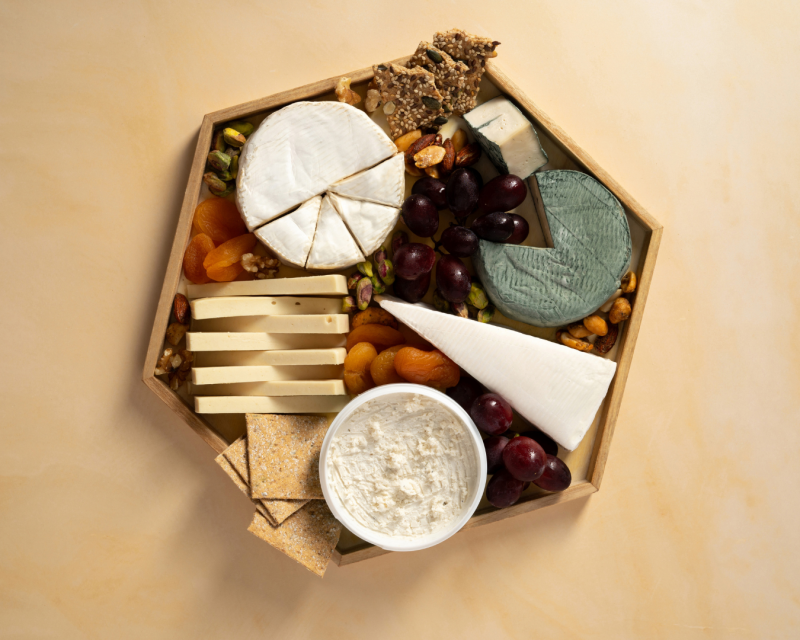
Protein remains a technical focus, particularly in cheese. Moore said the renewed interest in high-protein dairy, including cottage cheese, had highlighted the lower protein content of some plant-based cheeses. He said formulations were being explored to raise protein levels without compromising taste and texture. Nectar’s analysis found that mozzarella- and cheddar-style products performed weakest on attributes including stretch, melting, stickiness and gumminess. Cotto identified casein as a difficult dairy component to replicate and named Formo, New Culture and Standing Ovation among companies working on animal-free casein. In ice cream, KTC Oils said manufacturers were using tailored palm- and coconut-oil blends to reproduce the melting behaviour and mouthfeel associated with dairy fat.
Manufacturers also face requirements concerning ingredient sourcing and product names. KTC Oils said demand for traceable, certified ingredients was increasing and pointed to RSPO-certified palm oil as one sourcing option. The company linked tighter rules, including the EU Deforestation Regulation and the UK Forest Risk Commodity Regulation, to changes in the use of untraceable commodity oils. In February, the UK Supreme Court ruled that Oatly could not use the slogan “Post Milk Generation” across its food and beverage products in the UK, following an objection by Dairy UK that began in 2021. Oatly said the ruling created confusion and an uneven playing field. Plant-based brands have disputed arguments from animal-agriculture organisations that dairy-related restrictions are needed to prevent consumer confusion, while companies including Honestly Tasty have raised uncertainty over playful names such as “Shamembert”.