PFAS Contamination Threatens New York's Dairy and Meat Sectors
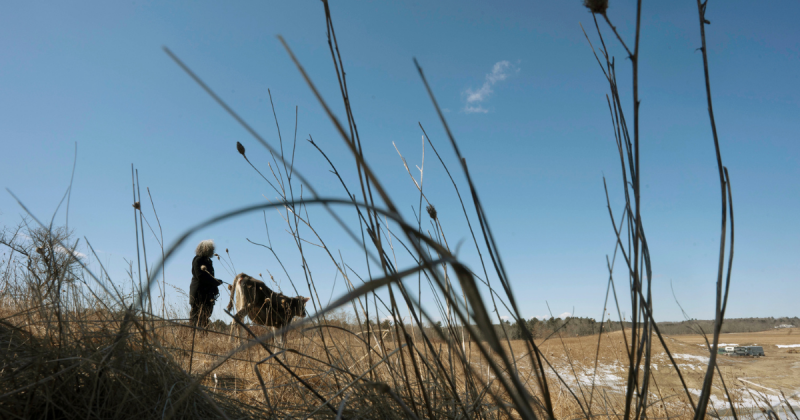
In New York's Steuben County, residents have become increasingly concerned about the use of sewage sludge on farmland, which may contain per- and polyfluoroalkyl substances (PFAS). These chemicals, often referred to as 'forever chemicals,' are known to persist in the environment and have been linked to various health issues. The Environmental Protection Agency (EPA) has highlighted the risks of even trace amounts of PFAS in sewage sludge used on agricultural land.
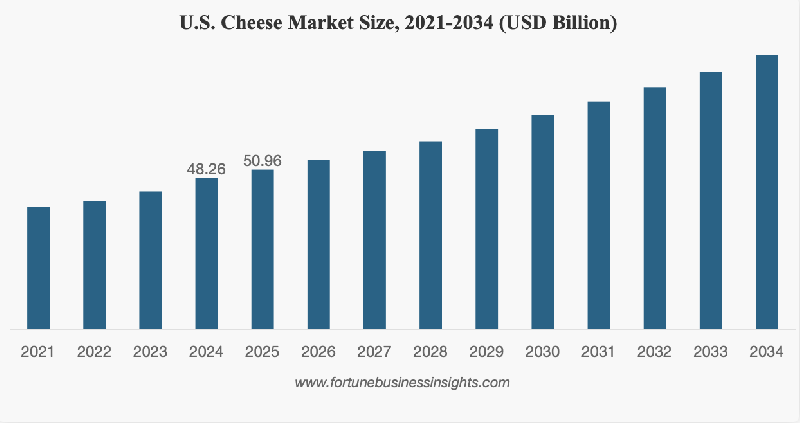
The presence of PFAS in the environment is a significant concern for New York's dairy and meat industries, given that the state is the fifth-largest dairy producer in the United States. In 2024 alone, the dairy sector generated $3.8 billion in gross income, with approximately 500 concentrated animal feeding operations (CAFOs) in the state.
Environmental Advocates NY and other groups have called for a moratorium on the use of sewage sludge as a fertilizer, citing the potential for PFAS to contaminate crops and livestock. The New York State Senate recently passed a bill proposing a five-year moratorium on the sale and application of biosolids, alongside mandatory PFAS testing of soil and water near such sites.
Concerns intensified following a Sierra Club investigation in 2023, which found PFAS concentrations in water sources near sludge-applied fields to be nine times higher than those away from such sites. This led to local actions, including Thurston town enacting a ban on sewage sludge application.
While some areas have implemented bans, Casella, a waste management company, maintains that the PFAS issue is primarily a result of upstream sources rather than land application of biosolids. The company has undertaken site improvements and adheres to strict PFAS limits in its biosolid products.
Research is ongoing to understand how PFAS moves through the food chain. A study funded by the National Science Foundation is examining the uptake of PFAS in various plants, with initial findings indicating that certain compounds accumulate in soybean seeds, which could potentially affect animal feed.
The New York Farm Bureau has also voiced concerns, advocating for pre-application testing of biosolids and land, alongside federal and state support for farmers affected by high PFAS levels. The ongoing research and legislative efforts aim to mitigate the risks posed by PFAS to New York's agriculture sector.