The Netherlands to Implement a Complete Ban on Cattle Electric Shock Devices by 2026
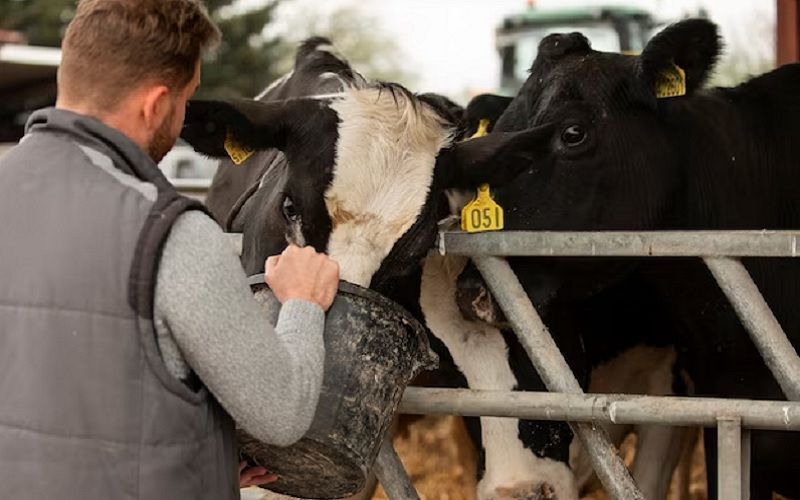
The ban will cover all instances where animals are moved using electric stimulation, regardless of whether it involves moving livestock or forced relocation. The use of such devices will also be prohibited in temporary animal housing centers.
However, the regulator has provided a few strictly limited exceptions. Specifically, in slaughterhouses, electric shockers will only be allowed for adult pigs and cattle that refuse to move despite having free space. Strict parameters have been set: a discharge lasting no more than one second, applied only to the hind legs, and with mandatory intervals between applications.
Similar conditions will apply during international animal transport—only at loading and unloading stages. Another exception is for veterinarians, who can use electric shockers solely for medical procedures. However, their use is prohibited for assistants and veterinary obstetricians.
The measures do not affect alternative animal management technologies. Notably, devices such as milking robots and "virtual grazing" systems using GPS collars, which deliver gentle and predictable signals to adjust animal behavior, are not banned.
Authorities note that the primary reason for the ban is the systematic misuse of electric shockers in practice, despite current European regulations formally allowing their use. Initiatives to reduce the use of such devices are already underway in the Netherlands: 90 large and medium slaughterhouses operate a voluntary video surveillance system aimed at reducing electric shocker use and improving animal welfare standards.