New Zealand's Arable Sector Faces Challenges Amid Dairy Industry Links
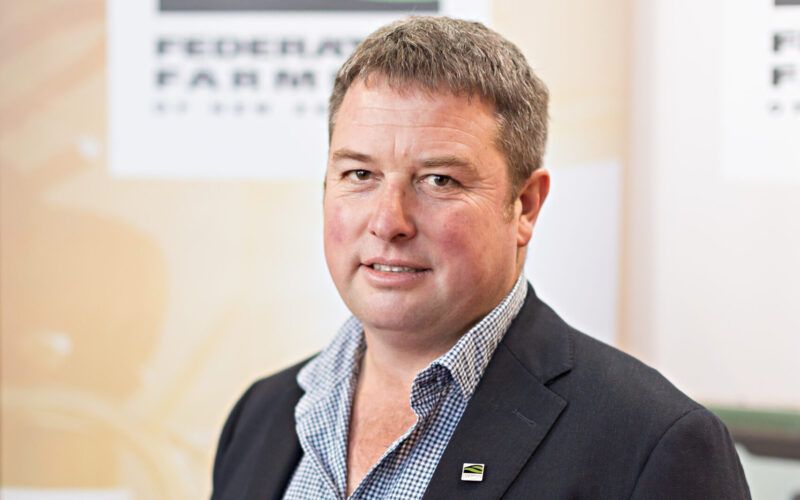
New Zealand's agricultural landscape is witnessing significant transitions, underscored by the appointment of Chris Dillon as the new arable industry group chair for Federated Farmers. Dillon, who manages a vast 860-hectare farm in Northern Southland, emphasizes the critical relationship between the nation's crop growers and principal livestock sectors, particularly beef and dairy.
Since the 1980s, Dillon's family farm has evolved from sheep to a diversified arable and pasture system, utilizing 600 hectares for crops and 240 hectares for pasture to optimize sustainability. This strategic shift reflects broader trends within the sector, where arable producers are considering opportunities like beef-to-dairy grazing support.
However, Dillon warns that the sustainability of the livestock industries depends on a robust domestic cropping sector, which faces challenges from rising input costs. The agricultural sector is grappling with cost volatility in fuel, freight, animal feed, and fertilizers, complicating financial planning for farm managers.
To address these challenges, processing companies, including Champion, have introduced new grain pricing structures. Premium milling wheat is priced at $620 per metric tonne, while grade one milling options are set at $585 per tonne. Dillon notes that these prices need to exceed $600 per tonne across all grades to counterbalance fertilizer cost increases.
Despite these pressures, New Zealand's seed export market remains resilient, with strong positions in ryegrass and high-value vegetable seeds. The Ministry for Primary Industries reports that Europe is a primary destination for exports, accounting for $133 million, or 42%, of total trade by March 2026.
Looking ahead, the arable sector's export revenues are projected to recover gradually, with expected growth of 3 to 5 percent in the coming seasons, potentially reaching $355 million by 2027-28.