New Visa Rules Aim to Alleviate Farm Labor Shortages in ACT
Under the current immigration framework, international farm workers in the ACT face restrictions due to short-term visas that require them to leave the country annually. This results in significant operational disruptions for employers in agriculture. A proposed policy seeks to address this issue by removing the rolling departure requirements, thus allowing skilled migrant laborers to stay on-site through multiple production cycles.
James McDowall, the ACT immigration spokesperson, highlighted that the existing administrative barriers lead to unnecessary retraining expenses and compliance burdens for primary producers. To ensure alignment with genuine labor market needs, the proposed visa program features an industry-led allocation system.
This system empowers recognized industry bodies within the dairy, horticulture, and viticulture sectors to manage and distribute visa quotas directly. A decentralized approach is expected to enable regional agricultural networks to allocate labor resources swiftly to areas experiencing severe staffing shortages.
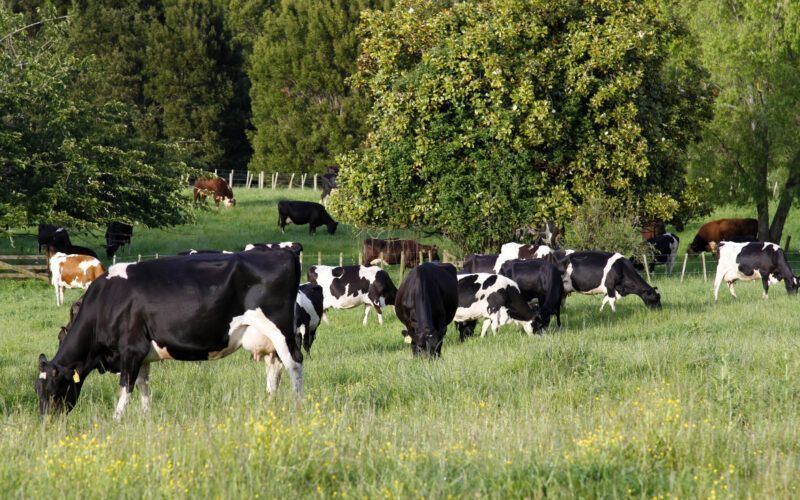
For both the international and domestic dairy community, stabilizing the on-farm workforce is crucial for maintaining production efficiency and animal welfare standards. Dairy operations, in particular, require consistent and specialized labor routines, which are challenging to maintain with high turnover rates.
Industry advocates have expressed support for the proposal, emphasizing that a more flexible and reliable immigration pipeline is vital to sustaining the global competitiveness of the nation's agricultural exports.