New Zealand Dairy Cows Emit Less Nitrogen Than Previously Estimated
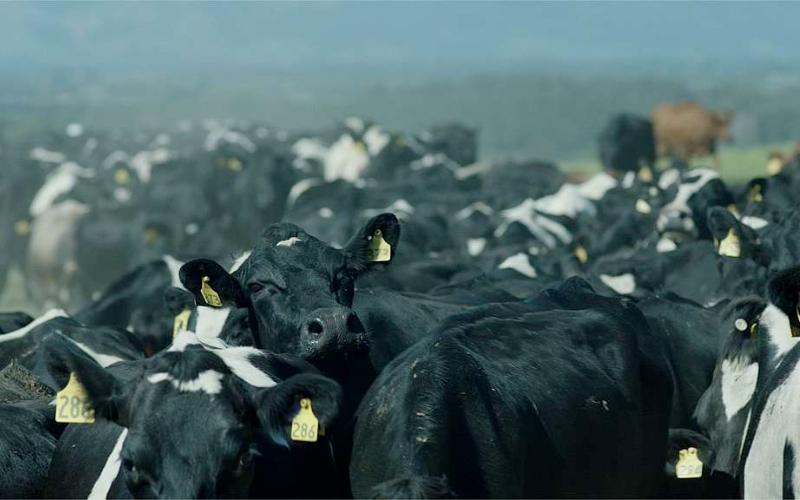
New research conducted in New Zealand has revealed that the nitrogen content in dairy cow urine is significantly lower than previously thought. This conclusion stems from studies carried out at Lincoln and Massey Universities, which indicate that the nitrogen concentration in New Zealand dairy cow urine is about fifty percent less than what was reported in earlier studies conducted on grain-fed cows in the United States during the 1950s and 60s.
The earlier data, which suggested a nitrogen output as high as 1000 kilograms per hectare, was based on outdated methods and conditions not applicable to New Zealand's pastoral systems. The latest studies show that the actual nitrogen load from cow urine is closer to 250 kilograms per hectare.
Further investigations using isotopic nitrogen at Lincoln University demonstrated that New Zealand pastures could absorb over 300 kilograms of nitrogen per hectare within two grazing rounds. GPS tracking has also shown that only a small fraction, about 2-3%, of a pasture receives urine in any single grazing session, and only around 25% in a year.
Moreover, historical records indicate that nitrate levels in groundwater were already elevated before the expansion of dairy farming in the Canterbury region. Other agricultural practices and natural sources, such as organic matter decomposition and nitrogen-fixing plants, also contribute to nitrate levels in waterways.
This research challenges the notion that dairy farming is the primary contributor to nitrogen pollution in New Zealand's water systems and suggests that other factors need to be considered in environmental management strategies.