Navarra's Dairy Model Combines Music with Lower Herd Density
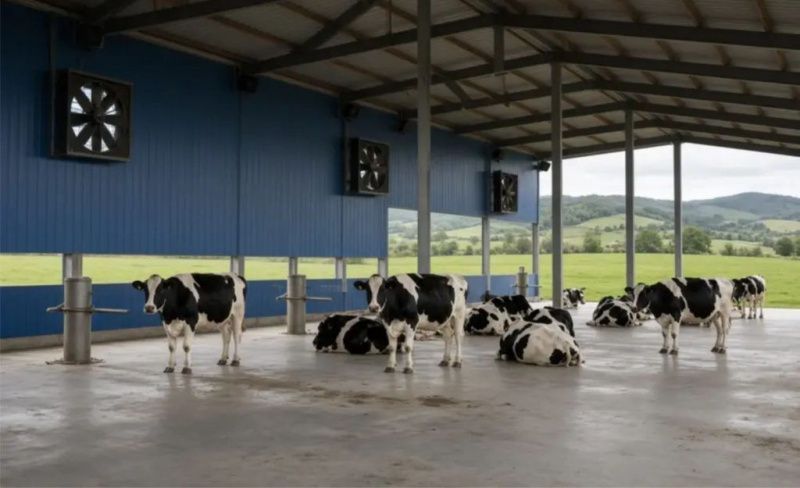
The number of cattle kept on each farm in Navarra is deliberately limited to avoid overcrowding, which producers regard as a direct factor in declining milk quality. The approach forms part of a wider production model that also includes regional feed and formal rules on animal density.
Lacturale, a producers' co-operative based in Etxeberri-Arakil, introduced music at its facilities in 2016. The initiative was presented during a celebration before the Sanfermines, when children from the Irabia Jotas School sang to the animals and gave them red scarves. Juanma Garro, then the co-operative's president, linked the practice to requests from consumers and to the view that good animal care was necessary for producing higher-quality milk.
In trials carried out by Lacturale, output rose by as much as five litres per cow per day, and the milk contained more protein. The figures were reported by the company as an internal experience rather than as the result of a large-scale controlled scientific study. Academic research in several countries has nevertheless recorded similar observations concerning music and dairy cattle.
Research at the University of Leicester found that slow and harmonious music, including Beethoven compositions and soft ballads, could increase milk production by roughly 3%. The study attributed the effect to lower stress and greater oxytocin release. Research in Ecuador, Paraguay, the Dominican Republic and Brazil recorded changes during milking, including fewer head and tail movements, less vocalisation, reduced defecation and urination, and lower somatic-cell counts, an indicator associated with udder health.
The studies did not all produce the same result. Some recorded higher milk volumes, while others found the main change in product quality or herd behaviour. Faster music and high volume tended to have the opposite effect, so farms using the practice generally selected calm music and moderate sound levels. Producers in Minas Gerais, Paraná, Santa Catarina and Espírito Santo have tested classical music, forró and radio during milking, reporting calmer animals and, in some cases, higher productivity.
Navarra's system differs from these largely individual Brazilian initiatives because the Spanish region operates under an official integrated-production label. At Lacturale, at least 80% of the cows' diet consists of natural forage, including grass and maize, produced in the region. The model is also supported by Navarra's regional government, which opposed a proposed large-scale farm in Caparroso and imposed legal obstacles on the project, citing the continued presence and coexistence of local communities. Producers and technicians interviewed for the original report described the resulting milk as having distinctive nutritional and sanitary characteristics associated with the combination of herd density, locally linked feed and active stress management.