Molecular Farming Enables Production of Casein in Safflower Seeds
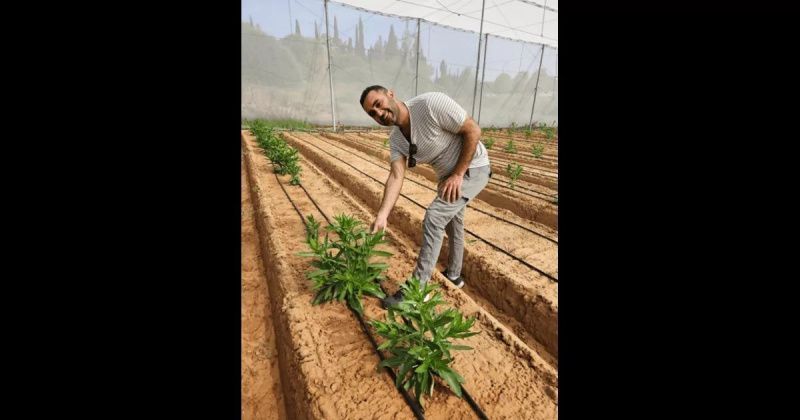
Scientists have achieved a significant breakthrough in molecular agriculture by producing bovine beta-casein in safflower seeds. This development was led by a research team from the Hebrew University of Jerusalem in collaboration with New Zealand-based biotech firm Miruku. The project demonstrates the potential for using plant-based molecular agriculture as a sustainable and alternative supply source for the cheese industry.
Technical Advancements
The research involved genetically modifying Arabidopsis seeds to encode beta-casein fused with oleosin, a protein found in plant lipid bodies. Contrary to initial scientific predictions, the recombinant protein did not accumulate in typical cellular vacuoles. Instead, it self-assembled into aggregates closely associated with the seed's lipid bodies. These structures, rich in protein and oil, were structurally similar to natural casein micelles, achieving a concentration of 1.26% of the seed's soluble protein without affecting germination viability.
Commercial Viability
To commercialize this discovery, the researchers successfully transferred the technology from the laboratory model plant to large-scale safflower (Carthamus tinctorius) crops. Safflower was selected due to its oilseed profile and high tolerance to heat stress and extreme arid conditions. This agronomic resilience is crucial in the face of current climate challenges, providing processing plants with a stable biomass source for large-scale extraction and purification of dairy solids.
Functional Properties
Unlike legume isolates such as soy or pea, which lack the mechanical properties of spinning and fusion, the molecularly derived beta-casein retains the physical functionalities of the original dairy matrix. This allows for the recreation of elasticity, viscosity, and coagulation capabilities essential for producing genuine cow-free cheeses. The bioequivalence achieved is vital for consumer preference in the foodservice and analog product segments, which demand sustainable alternatives with identical organoleptic behavior.
Cost Advantages
The business model of molecular agriculture offers substantial cost advantages over precision fermentation, eliminating the high capital expenditures required for stainless steel bioreactor installations. By utilizing soil, water, and solar energy as primary production infrastructure, the technology promises to optimize the unit cost of high-value functional raw materials. The speed of purification process simplification will determine if this "field-grown milk" can compete with traditional fluid sources from global dairy herds.