Milk Gains Ground in the Summer Hydration Market
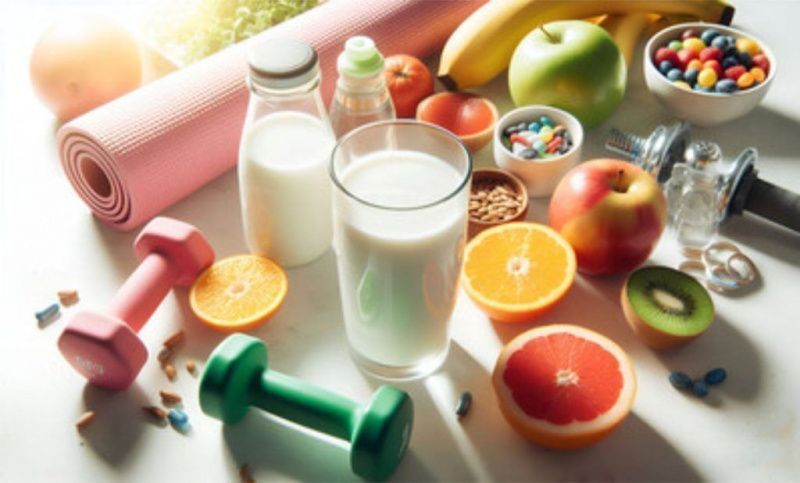
The dairy industry is identifying opportunities in the functional-beverage market by promoting milk as a source of hydration. Milk contains between 87% and 91% water, as well as electrolytes including sodium, potassium, calcium and magnesium. It also supplies carbohydrates and complete proteins, which contribute to muscle recovery during and after physical activity.
A randomised clinical trial published in the American Journal of Clinical Nutrition in 2015 used the Beverage Hydration Index, or BHI, to compare drinks. The study found that both whole and skimmed milk had higher BHI values than water. Their performance was comparable with that of oral rehydration solutions.
The article also links hydration concerns to the use of GLP-1 medicines. The World Health Organisation reported that 2.5bn adults worldwide were overweight or obese in 2022. According to the source, these medicines reduce appetite and can also suppress thirst, with dehydration associated with changes in blood pressure, a higher heart rate and urinary-tract infections.
A 2025 study in the Jordan Journal of Agricultural Sciences reported that water intake directly affects metabolism, appetite, hormonal balance and satiety. The source presents dairy drinks as one option for providing water and complete protein in the same product, including for consumers using GLP-1 medicines.
For people seeking a lighter drink during exercise, manufacturers have developed milk permeate. The ingredient is produced through ultrafiltration, which removes proteins and fats while retaining milk’s natural minerals and carbohydrates. It can be used to formulate a clear drink similar in appearance to a conventional sports beverage. Matt Pikosky, a nutrition scientist and vice-president of nutrition research at the National Dairy Council, said that research had shown hydration benefits from the ingredient.
A 2020 study in Nutrients found that an oral hydration solution made with milk permeate improved fluid retention, lowered cumulative urine volume and maintained positive fluid balance for longer than water and a conventional carbohydrate-and-electrolyte sports drink. The study attributed the result to the drink’s mineral content and osmolality. A further study published in 2026 reported that the same type of milk-permeate sports drink rehydrated participants more efficiently than conventional sports drinks and water, with fluid retention continuing for several hours after exercise.
“Milk has always been recognised as an excellent hydration drink because it naturally provides water, electrolytes and high-quality protein,” Pikosky said. “For people who prefer a lighter option, drinks made with milk permeate provide the same natural electrolytes as milk in a transparent version, and research continues to demonstrate their effectiveness.” The source identifies portion sizes, packaging, flavours and functional ingredients as areas of product development for dairies and co-operatives seeking to enter hydration and wellness shelves, where sports drinks and plant-based beverages are established.