Milana Boskovic on the Future of Dairy in MENA: From Core Categories to Camel Milk and Sustainable Growth
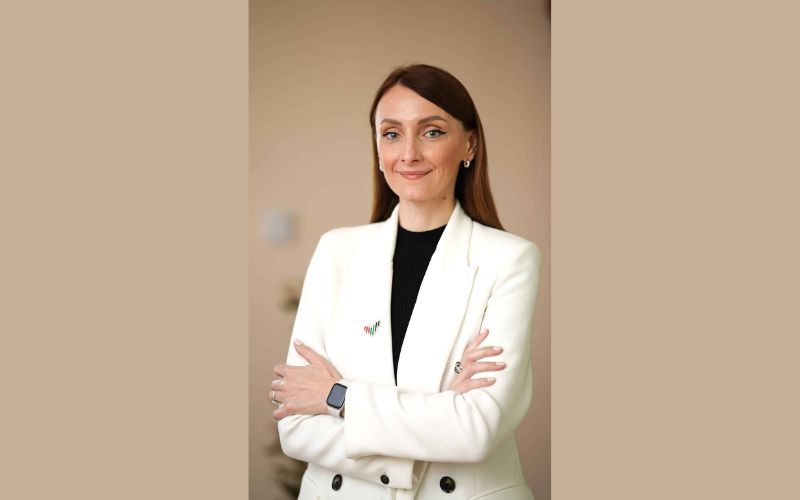
Milana Boskovic, Director of Marketing and R&D at Al Ain Farms, shares her perspective on how the MENA dairy market is evolving — from the continued dominance of fresh milk, yoghurt, and laban to the rise of functional products and camel milk as a strategic, scalable segment shaping the region’s future.
How would you describe the current state of the dairy market in the MENA region?
The MENA dairy market is growing, but its foundation remains the core categories. The market is projected to reach 75 million tonnes by 2035, with a growth rate of 1.3% 1 and most of that demand continues to come fr om familiar products. Fresh milk, yoghurt, and laban are still everyday staples across households, and continue to drive the bulk of the volume.
We’re also seeing growth in value-added segments such as fortified, lactose-free, and fermented dairy. This isn’t a shift away from core dairy, but an extension of it, as consumers layer new needs onto familiar products, including more nutrition, better digestibility, and longer shelf life.
What key changes or trends have you observed over the past year?
Several trends have become more pronounced.
There has been a change in how consumers define value. It’s less about “premium” as a label and more about trust and reassurance. People want to know that what they’re buying is nutritious, reliable, and consistently available. This is one reason protein-focused dairy continues to grow, particularly in fermented and functional categories, as consumers become more intentional about what they eat and how it supports their health.
Consumers are also becoming more deliberate in their purchasing decisions. They are willing to pay more when the benefit is clear, whether that’s nutrition, convenience, or sustainability. In the UAE, consumers are informed and engaged. Research shows that more than 80% of residents prioritise sustainability and transparency, and that carries through to how they evaluate food brands more broadly.
Another important change is the growing trust in local brands. There’s more of a “local for local” mindset, driven by the reassurance that locally produced dairy offers better freshness, stronger quality control, and more reliable supply, particularly in everyday categories that consumers depend on daily.
Camel milk is gaining increasing attention globally. What are the main drivers behind this growth, and how do you see demand evolving in the next 5-10 years?
Camel milk is attracting attention because it fits well with what many consumers are looking for today: functional nutrition that’s easy to digest. It’s often described as a superfood and that description is not overstated. Camel milk contains over 200 bioactive nutrients, including immune-supporting proteins and compounds that support gut health. It’s also naturally rich in vitamin C and contains AHAs, which is why it’s increasingly associated with skin and anti-ageing benefits.
It’s also naturally more suitable for those with lactose sensitivity, as it’s gentle and highly digestible. Camel milk is also the closest to human milk in composition and is naturally hypoallergenic. There’s also growing interest in its insulin-like proteins, which are fast-absorbing and help support blood sugar regulation.
Looking ahead, for camel milk to move from niche to more mainstream consumption, several factors will be important. Affordability will improve as production scales and efficiency increases. Shelf-stable and value-added formats will help widen access and reduce waste. And clearer regulatory and export pathways will also be needed to support broader distribution beyond early-adopter markets.
This isn’t about replacing traditional dairy but expanding choice for those looking for alternatives with distinct benefits, while building a more resilient dairy ecosystem that’s well suited to the realities of this region.
What are the biggest technological or operational challenges in camel milk production compared to traditional cow dairy?
Camel milk production operates on a very different model to conventional cow dairy, which brings both complexity and opportunity. Camels have lower yields, longer production cycles, and different milking behaviour. They don’t conform to the standardised routines that cow dairy systems are built around, which means processes have to be adapted.
Processing presents its own set of challenges as well. Camel milk behaves differently during pasteurisation and has a more delicate protein structure, which affects shelf life and requires specialised handling to preserve its nutritional properties. Extending shelf life while keeping the product additive-free, as we do, requires very precise control and technical expertise. We are among a very small number of companies globally that have successfully developed long-life camel milk without any additives or stabilizers, preserving its nutritional value so consumers around the world can enjoy its benefits.
Cost efficiency is another area wh ere innovation is critical. Instead of trying to replicate a traditional dairy model, we’re developing systems tailored specifically to camel milk production to ensure affordability and access.
There’s also opportunity in consumer education and product development. As awareness of camel milk’s nutritional benefits grows, demand is expanding beyond niche segments. And alongside liquid milk, we’re also exploring new formats and applications that make camel milk easier to access and integrate into everyday routines.
Fr om your perspective, what makes the UAE a unique and strategic hub for dairy production and innovation in the region?
The UAE’s strong focus on food security and local production gives the sector real momentum. Government support for increasing domestic production and reducing import dependence creates a stable environment for investment and long-term planning.
There’s also significant emphasis on agri-tech, controlled-environment farming, and water-efficient systems, which are essential for sustainable production in this region. These investments help redefine what sustainable dairy production can look like in arid conditions.
From an industry standpoint, the UAE is also building the right infrastructure to support growth. Public-private partnerships, regulatory ease, and access to funding make it easier for companies to innovate and scale. A good example is our partnership with Food Tech Valley to develop a 260,000 sq. ft. logistics hub, featuring an automated warehouse and logistics system, in Dubai. These kinds of investments bolster local supply chains while supporting national goals efficiency and sustainability goals.
How do companies like Al Ain Farms balance tradition with innovation when developing new dairy products and production models?
It starts with protecting trust. Consumers expect consistent taste, quality, and freshness from Al Ain Farms, and that foundation is non-negotiable.
Much of the innovation happens behind the scenes, in how we produce, manage resources, and deliver more efficiently and sustainably, without changing what people already know and love.
At the product level, innovation allows us to introduce more choices. That includes lactose-free, r fortified versions of familiar products, as well as formats that match modern lifestyles, such as on-the-go packs, family sizes, and premium lines.
Consumer research plays a critical role here. We follow trends closely, but we also test, listen, and validate before scaling. Partnerships are also important. Our collaboration with FoodIQ allows us to produce clean-label products using more sustainable methods, bringing advanced capabilities into local production while keeping quality consistent.
Sustainability is becoming a key topic in dairy worldwide. What sustainability practices are most relevant for dairy producers in arid and water-scarce regions like MENA?
In this region, water management is the most immediate priority, and it must be approached holistically. Energy comes next. We’re exploring opportunities such as solar panels and biomanure to support energy reuse, reduce waste and improve energy efficiency across operations.
Packaging and logistics are also important. Recycled and recyclable materials, as well as alternative packaging solutions, are better positioned to meet both regulatory requirements and changing consumer expectations across the region.
Circular supply chains are becoming increasingly critical. Designing packaging with its full lifecycle in mind, reducing material use, and improving recyclability all help lower waste and emissions. This is wh ere initiatives like the Food Tech Valley logistics hub are particularly relevant, supporting reduced waste and lower emissions, including an estimated reduction of 2,500 tonnes of carbon dioxide annually.
Looking ahead, the industry will also need to think more broadly about how traditional dairy can be complemented by new solutions. Alternative proteins and precision fermentation are becoming part of a wider conversation around developing a more resilient and sustainable food system for the future.
What role does processing, and value-added products play in improving profitability and market resilience for dairy producers in the region?
A fully owned, vertically integrated supply chain is a significant advantage. Having control from farm to shelf gives us stronger cost management, tighter quality standards, and better brand protection.
Value-added products also allow us to respond more effectively to the evolving needs of a growing and diverse consumer base. The more locally made products we develop, the stronger the local know-how becomes, and over time, affordability improves as scale and efficiency increase.
How important is consumer education when introducing non-traditional dairy products such as camel milk to new markets?
It’s extremely important. Introducing any non-traditional product requires building understanding across multiple dimensions, including taste, benefits, portfolio breadth, and price positioning.
We’ve seen that in practice with Camelait. Early trials and sampling in Brussels showed strong curiosity, but education made the difference. Clear, simple explanations help people understand why the product matters and how it fits into their lives. Without education, even the most nutritious product will struggle to gain traction. Making the unfamiliar feel accessible is key.
What skills, technologies, or investments will be critical for dairy companies in MENA to remain competitive by 2030-2050?
When you look ahead to the next few decades, competitiveness will be determined by how well the entire system works together.
Producers will need operations that can absorb demand growth while remaining resilient. This means designing production and distribution models that are efficient by design, as a way to protect quality and continuity over the long term.
Sustainability expectations will also continue to rise. Areas such as packaging and resource management will become as baseline requirements rather than differentiators. Circularity and logistics efficiency will play a bigger role in determining resilience.
Ultimately, the ability to adapt will be the most important. The population is growing, and so is demand, and traditional models won’t be enough. Staying open to new technologies and partnerships across sectors will be essential if the industry is to meet future needs sustainably and responsibly.
What topics or challenges do you believe deserve more attention at industry platforms like the MENA Dairy Congress?
Three areas stand out: the circular economy, sustainability, and precision fermentation technology.
What’s equally important is how the industry comes together around these conversations. The future of dairy won’t be shaped by one model, and traditional dairy, new technologies, and alternative approaches all have a role to play.
Platforms like the MENA Dairy Congress are in a strong position to encourage collaboration and open dialogue. That’s how the industry can continue to evolve responsibly in a way that’s resilient and ultimately better for the next generation of consumers.
The MENA dairy market is growing, but its foundation remains the core categories. The market is projected to reach 75 million tonnes by 2035, with a growth rate of 1.3% 1 and most of that demand continues to come fr om familiar products. Fresh milk, yoghurt, and laban are still everyday staples across households, and continue to drive the bulk of the volume.
We’re also seeing growth in value-added segments such as fortified, lactose-free, and fermented dairy. This isn’t a shift away from core dairy, but an extension of it, as consumers layer new needs onto familiar products, including more nutrition, better digestibility, and longer shelf life.
What’s especially encouraging is the level of investment going into local capability. Recent supply chain disruptions have reinforced why efficiency and technology investments are important from a food security perspective. This has accelerated the focus on local farming, processing efficiency, and vertically integrated models, underpinned by partnerships and R&D capacity, all of which are essential for long-term competitiveness and innovation.
What key changes or trends have you observed over the past year?
Several trends have become more pronounced.
There has been a change in how consumers define value. It’s less about “premium” as a label and more about trust and reassurance. People want to know that what they’re buying is nutritious, reliable, and consistently available. This is one reason protein-focused dairy continues to grow, particularly in fermented and functional categories, as consumers become more intentional about what they eat and how it supports their health.
Consumers are also becoming more deliberate in their purchasing decisions. They are willing to pay more when the benefit is clear, whether that’s nutrition, convenience, or sustainability. In the UAE, consumers are informed and engaged. Research shows that more than 80% of residents prioritise sustainability and transparency, and that carries through to how they evaluate food brands more broadly.
Another important change is the growing trust in local brands. There’s more of a “local for local” mindset, driven by the reassurance that locally produced dairy offers better freshness, stronger quality control, and more reliable supply, particularly in everyday categories that consumers depend on daily.
Camel milk is gaining increasing attention globally. What are the main drivers behind this growth, and how do you see demand evolving in the next 5-10 years?
Camel milk is attracting attention because it fits well with what many consumers are looking for today: functional nutrition that’s easy to digest. It’s often described as a superfood and that description is not overstated. Camel milk contains over 200 bioactive nutrients, including immune-supporting proteins and compounds that support gut health. It’s also naturally rich in vitamin C and contains AHAs, which is why it’s increasingly associated with skin and anti-ageing benefits.
It’s also naturally more suitable for those with lactose sensitivity, as it’s gentle and highly digestible. Camel milk is also the closest to human milk in composition and is naturally hypoallergenic. There’s also growing interest in its insulin-like proteins, which are fast-absorbing and help support blood sugar regulation.
Looking ahead, for camel milk to move from niche to more mainstream consumption, several factors will be important. Affordability will improve as production scales and efficiency increases. Shelf-stable and value-added formats will help widen access and reduce waste. And clearer regulatory and export pathways will also be needed to support broader distribution beyond early-adopter markets.
This isn’t about replacing traditional dairy but expanding choice for those looking for alternatives with distinct benefits, while building a more resilient dairy ecosystem that’s well suited to the realities of this region.
What are the biggest technological or operational challenges in camel milk production compared to traditional cow dairy?
Camel milk production operates on a very different model to conventional cow dairy, which brings both complexity and opportunity. Camels have lower yields, longer production cycles, and different milking behaviour. They don’t conform to the standardised routines that cow dairy systems are built around, which means processes have to be adapted.
Processing presents its own set of challenges as well. Camel milk behaves differently during pasteurisation and has a more delicate protein structure, which affects shelf life and requires specialised handling to preserve its nutritional properties. Extending shelf life while keeping the product additive-free, as we do, requires very precise control and technical expertise. We are among a very small number of companies globally that have successfully developed long-life camel milk without any additives or stabilizers, preserving its nutritional value so consumers around the world can enjoy its benefits.
Cost efficiency is another area wh ere innovation is critical. Instead of trying to replicate a traditional dairy model, we’re developing systems tailored specifically to camel milk production to ensure affordability and access.
There’s also opportunity in consumer education and product development. As awareness of camel milk’s nutritional benefits grows, demand is expanding beyond niche segments. And alongside liquid milk, we’re also exploring new formats and applications that make camel milk easier to access and integrate into everyday routines.
Fr om your perspective, what makes the UAE a unique and strategic hub for dairy production and innovation in the region?
The UAE’s strong focus on food security and local production gives the sector real momentum. Government support for increasing domestic production and reducing import dependence creates a stable environment for investment and long-term planning.
There’s also significant emphasis on agri-tech, controlled-environment farming, and water-efficient systems, which are essential for sustainable production in this region. These investments help redefine what sustainable dairy production can look like in arid conditions.
From an industry standpoint, the UAE is also building the right infrastructure to support growth. Public-private partnerships, regulatory ease, and access to funding make it easier for companies to innovate and scale. A good example is our partnership with Food Tech Valley to develop a 260,000 sq. ft. logistics hub, featuring an automated warehouse and logistics system, in Dubai. These kinds of investments bolster local supply chains while supporting national goals efficiency and sustainability goals.
How do companies like Al Ain Farms balance tradition with innovation when developing new dairy products and production models?
It starts with protecting trust. Consumers expect consistent taste, quality, and freshness from Al Ain Farms, and that foundation is non-negotiable.
Much of the innovation happens behind the scenes, in how we produce, manage resources, and deliver more efficiently and sustainably, without changing what people already know and love.
At the product level, innovation allows us to introduce more choices. That includes lactose-free, r fortified versions of familiar products, as well as formats that match modern lifestyles, such as on-the-go packs, family sizes, and premium lines.
Consumer research plays a critical role here. We follow trends closely, but we also test, listen, and validate before scaling. Partnerships are also important. Our collaboration with FoodIQ allows us to produce clean-label products using more sustainable methods, bringing advanced capabilities into local production while keeping quality consistent.
Sustainability is becoming a key topic in dairy worldwide. What sustainability practices are most relevant for dairy producers in arid and water-scarce regions like MENA?
In this region, water management is the most immediate priority, and it must be approached holistically. Energy comes next. We’re exploring opportunities such as solar panels and biomanure to support energy reuse, reduce waste and improve energy efficiency across operations.
Packaging and logistics are also important. Recycled and recyclable materials, as well as alternative packaging solutions, are better positioned to meet both regulatory requirements and changing consumer expectations across the region.
Circular supply chains are becoming increasingly critical. Designing packaging with its full lifecycle in mind, reducing material use, and improving recyclability all help lower waste and emissions. This is wh ere initiatives like the Food Tech Valley logistics hub are particularly relevant, supporting reduced waste and lower emissions, including an estimated reduction of 2,500 tonnes of carbon dioxide annually.
Looking ahead, the industry will also need to think more broadly about how traditional dairy can be complemented by new solutions. Alternative proteins and precision fermentation are becoming part of a wider conversation around developing a more resilient and sustainable food system for the future.
What role does processing, and value-added products play in improving profitability and market resilience for dairy producers in the region?
A fully owned, vertically integrated supply chain is a significant advantage. Having control from farm to shelf gives us stronger cost management, tighter quality standards, and better brand protection.
Value-added products also allow us to respond more effectively to the evolving needs of a growing and diverse consumer base. The more locally made products we develop, the stronger the local know-how becomes, and over time, affordability improves as scale and efficiency increase.
How important is consumer education when introducing non-traditional dairy products such as camel milk to new markets?
It’s extremely important. Introducing any non-traditional product requires building understanding across multiple dimensions, including taste, benefits, portfolio breadth, and price positioning.
We’ve seen that in practice with Camelait. Early trials and sampling in Brussels showed strong curiosity, but education made the difference. Clear, simple explanations help people understand why the product matters and how it fits into their lives. Without education, even the most nutritious product will struggle to gain traction. Making the unfamiliar feel accessible is key.
What skills, technologies, or investments will be critical for dairy companies in MENA to remain competitive by 2030-2050?
When you look ahead to the next few decades, competitiveness will be determined by how well the entire system works together.
Producers will need operations that can absorb demand growth while remaining resilient. This means designing production and distribution models that are efficient by design, as a way to protect quality and continuity over the long term.
Sustainability expectations will also continue to rise. Areas such as packaging and resource management will become as baseline requirements rather than differentiators. Circularity and logistics efficiency will play a bigger role in determining resilience.
Ultimately, the ability to adapt will be the most important. The population is growing, and so is demand, and traditional models won’t be enough. Staying open to new technologies and partnerships across sectors will be essential if the industry is to meet future needs sustainably and responsibly.
What topics or challenges do you believe deserve more attention at industry platforms like the MENA Dairy Congress?
Three areas stand out: the circular economy, sustainability, and precision fermentation technology.
What’s equally important is how the industry comes together around these conversations. The future of dairy won’t be shaped by one model, and traditional dairy, new technologies, and alternative approaches all have a role to play.
Platforms like the MENA Dairy Congress are in a strong position to encourage collaboration and open dialogue. That’s how the industry can continue to evolve responsibly in a way that’s resilient and ultimately better for the next generation of consumers.
Loading...

Key News of the Week