Mexico opens sanctions proceedings over dairy and textile wastewater in Nazas river
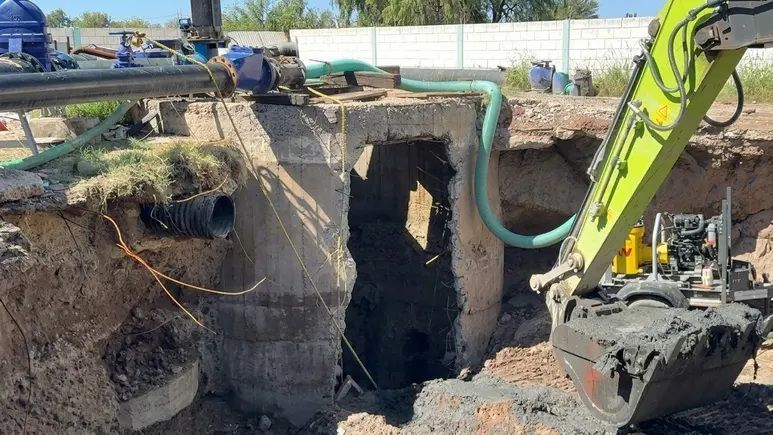
Residents of the Comarca Lagunera reported continuing releases of polluted wastewater, prompting Conagua to deploy an environmental inspection team. Federal inspectors documented their findings in a formal report under the National Water Law. The proceedings seek to establish legal responsibility and determine sanctions for both the businesses generating the pollution and the operators of the wastewater drainage network. The affected stretch lies within the federally administered river channel.
The site inspection was conducted jointly with managers and technical staff from Gómez Palacio’s Sistema Descentralizado de Agua Potable y Alcantarillado (Sideapa). Investigators focused on the electromechanical equipment at a failed wastewater pumping station that caused the incident. Initial tests identified chemical constituents and a high organic load associated with direct industrial discharges from businesses in the area. Conagua’s Organismo de Cuenca Cuencas Centrales del Norte and Sideapa are responsible for following up on the case.
Wastewater from milk-processing and cheese-making plants includes residual whey, water used to wash curdling vats and spoiled milk. Such effluent has high chemical oxygen demand and biochemical oxygen demand. When released without biological pretreatment, these wastes rapidly consume oxygen in waterways and disturb the soil conditions of the riverbed. The Nazas basin is identified in the report as a priority basin for northern Mexico, and the discharges breach environmental conservation rules.
La Laguna is Mexico’s most intensive dairy-production centre. Milk collected on farms is kept at 4°C before collection and subsequent industrial processing, which includes continuous pasteurisation above 72°C or ultra-high-temperature treatment at 138°C. Dairy manufacturing also produces substantial quantities of whey. The report identifies spray-drying facilities, biotransformation plants and its use in nutritional supplements or biofuels as alternatives to disposal through municipal sewers, where it can overload urban pumping stations.
Dairy processors in the region face rising energy and agricultural-input costs. In specialised dairy farming, cattle feed—including maize silage, alfalfa hay and balanced concentrates—accounts for more than 70% of current operating expenditure per litre of milk produced on farms. The report also describes environmental liabilities associated with industrial waste management: bypassing primary neutralisation systems and grease traps shifts the burden to public infrastructure and creates health risks for neighbouring communities.
Failures in internal wastewater-treatment systems can expose companies to temporary or permanent closure by federal authorities, alongside financial penalties under water legislation. Anaerobic biodigesters, solids separators and aerated stabilisation ponds are among the treatment technologies identified in the report. It also calls for audits of unregulated industrial discharge connections in Gómez Palacio, containment and pumping work at the failed station, and treatment of dairy and textile effluent before it enters the public sewer network. Citizens can report water-related violations through the Portal de Denuncias de Aguas Nacionales.