Mexico grants geographical indication protection to Quesillo de Reyes Etla
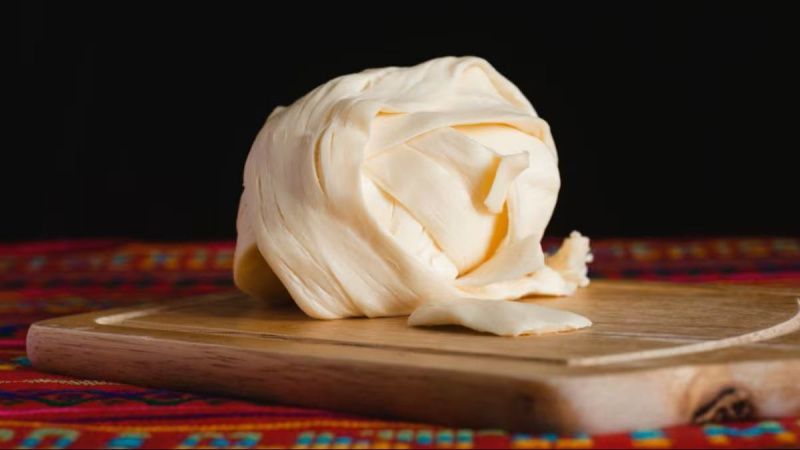
The protected name belongs to the municipality of Reyes Etla, in Oaxaca’s Valles Centrales. The Instituto Tecnológico del Valle de Etla provided technical backing for the designation. Production requires approximately 10 litres of fresh milk for each kilogram of cheese. Once the curd has reached the required acidity, cheesemakers stretch it into strands and wind it by hand. The cheese is used in traditional dishes including tlayudas.
Local oral tradition traces its origins to an accident in 1885 involving Leobarda Castellanos García. According to that account, she poured hot water onto curd that had fermented beyond its intended point. The resulting mass became elastic and could be drawn into long threads. That account forms part of the municipality’s cheesemaking history, while the rules governing use of the protected name establish the requirements for authentic production.
Curd acidification takes between five and more than 24 hours, depending on the surrounding temperature. During this stage, lactic acid progressively dissolves colloidal calcium phosphate within the casein micelles. This allows the protein structure to become pliable and align into glossy fibres when kneaded in hot water. The process depends on the milk’s protein integrity and microbiological quality, alongside control of acidity during cheesemaking.
The production practices described include forestripping and antiseptic teat treatment before milking to prevent environmental mastitis and control somatic-cell counts. After collection, raw milk must be cooled promptly and kept at 4°C to stabilise its titratable acidity before processing. In certified cheese plants using hygienically treated milk, continuous pasteurisation takes place at temperatures above 72°C before enzymes are added to form the curd.
Mexico’s grocery shops and supermarkets sell traditional string cheeses alongside lower-priced substitutes made with imported caseinates, dried whey, modified starches and hydrogenated palm-derived vegetable fats. The report describes products marketed as genuine quesillo despite lacking its natural elasticity and the nutritional and minimum protein characteristics required under NOM-223-SCFI/SAGARPA-2018 and NOM-155-SCFI-2012. Origin certification provides a legal basis for protecting the artisanal product and its buyers against the misuse of its identity.
The milk requirement also connects artisanal cheese production with farm operating costs. According to the report, cattle feed accounts for more than 70% of current operating expenditure per litre of milk on Mexico’s commercial and family-run dairy farms. Feed rations include maize silage, alfalfa hay and commercial protein concentrates. It describes arrangements in which certified artisanal cheesemakers pay dairy farmers remunerative prices linked to total solids and hygienic quality, allowing those supplying farms to receive a share of the value generated through processing rather than depend on low prices offered by intermediaries.
The report identifies support for certification bodies, enforcement of the geographical restriction and action against vegetable-fat substitutes using the Oaxaca cheese name as institutional priorities. It names the Secretaría de Agricultura y Desarrollo Rural (SADER), IMPI, Senasica and Profeco in connection with this work. The proposed measures include financing certification organisations, monitoring manufacturers outside Reyes Etla for unauthorised use of the protected designation, and penalising misuse of the cheese name by makers of analogue products.