Limited Land Ownership Restricts Women in Kenya's Dairy Sector
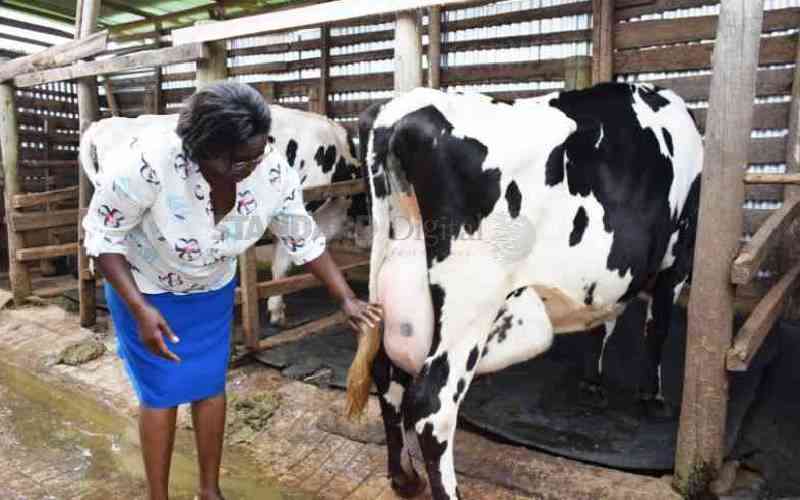
A new report has revealed significant barriers faced by women in Kenya's dairy industry when it comes to accessing formal financing. The Kenya National Women in Dairy Report 2026, commissioned by the Kenya National Farmers’ Federation (KENAFF), identifies the lack of collateral as a major obstacle for 65% of women dairy farmers. Despite their crucial role in the sector, limited land and asset ownership restrict their ability to secure loans.
The study, conducted across five major dairy-producing counties—Nakuru, Meru, Nyandarua, Uasin Gishu, and Kiambu—found that only 23% of surveyed women own titled land, and a mere 19% have documented ownership of cattle. These factors severely limit their access to credit from banks and formal lenders.
Nancy Rapando from the Africa Centre for Climate, Agri-Food and Nature (AfriCCLAN) highlighted the need for alternative approaches by financial institutions. She suggested the use of registered livestock, insurance records, and cooperative milk delivery histories as potential collateral options, given women's strong repayment records.
The report also indicates that women make up 86% of cooperative memberships in the surveyed areas, yet they remain largely excluded from owning key productive assets and leadership roles. Despite controlling an average of 82% of dairy income within households, their lack of access to finance prevents them from investing in better breeds, feeds, and climate-resilient practices.
Nakuru County stands out with the highest level of female land ownership, showcasing how targeted policy support can enhance financial inclusion. The report recommends that banks and cooperatives adopt more flexible lending models and calls for the establishment of a national Women in Dairy Credit Guarantee Fund.
Kenya's dairy sector contributes around 14% of the agricultural GDP and supports over 1.8 million smallholder households. Researchers argue that improving women's access to finance could significantly boost sector productivity, enhance food security, and promote inclusive growth.