Landkäse’s peppered sardo won gold at ExpoQueijo Brasil 2026
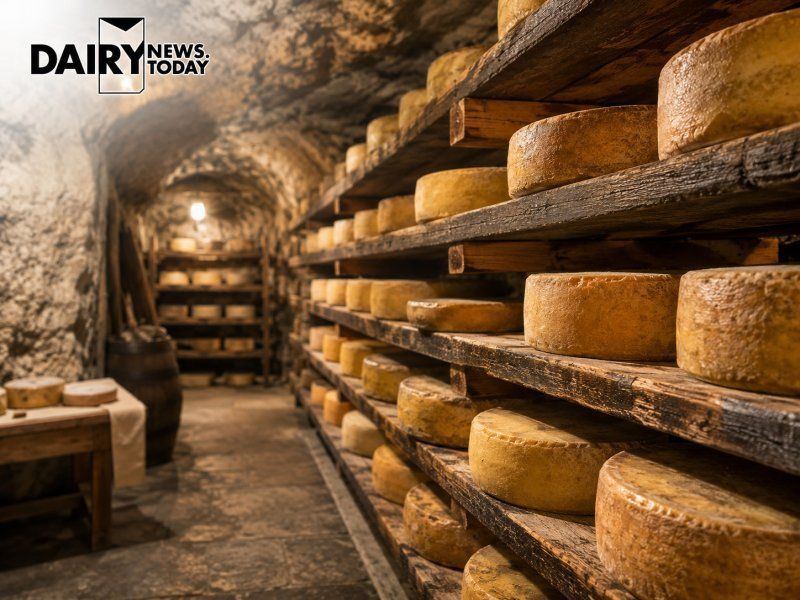
The competition in Brazil brought together nearly 1,000 cheeses from 19 countries. Landkäse’s entry was recognised in the category for flavoured or seasoned cheeses made with raw milk and aged for more than 30 days.
The sardo is matured for between 60 and 90 days. Ground pepper is distributed through the cheese in veins. Its gold medal placed it in the group eligible for the Súper Oro, the highest distinction awarded at the competition.
Artisanal production
Uruguay has an estimated 800 artisanal cheese producers. About 80% are concentrated in the departments of Colonia and San José, while Canelones is also part of a region with a substantial cheesemaking presence.
The sector took shape during the 19th century as Swiss, German, Italian, Austrian and Alsatian immigrants arrived in Uruguay. Between 1860 and 1870, artisanal dairies began adopting European equipment and methods, later adapting them to local production conditions.
A family dairy
Landkäse traces its history to 1917, when Isaac Vila and Berta Wohlwend acquired land in Colonia and began making cheese. More than a century later, the family remains involved in the business. The name Landkäse means “farm cheese” in German.
Uruguay’s cheesemaking tradition also includes varieties associated with particular places. Colonia, a semi-hard cow’s-milk cheese, began production in 1861 among Swiss settler communities in the west of the country and became a recognised part of Uruguayan cuisine. Yamandú, also linked to Colonia, became widely known in the 1950s and is associated with Martín Fierro, a dessert made with cheese and quince paste.
Zapicán is an indigenous semi-hard washed-rind cheese created at the Colonia Dairy School. In Paysandú, Termal is made with cow’s milk and is associated with Colonia Juan Gutiérrez in Guichón. Its production incorporates the salty thermal waters of Almirón.
Cheese and tourism
Cheesemaking has also been connected with tourism routes linking dairies, rural roads and settlements historically associated with milk production. The route includes Nueva Helvecia, Colonia Valdense and La Paz in Colonia; Ecilda Paullier in San José; and several towns in Canelones.