Kazakhstan delegation signs dairy farming cooperation memorandum with MASTERRIND
The delegation was led by Marat Tasmaganbetov, First Deputy Governor of the North Kazakhstan Region. According to Petropavlovsk.news, citing the regional administration, the participants explored foreign technologies for livestock farming and agricultural raw material processing, while also seeking business partners. The main focus was on milk production and ensuring feed supplies for farms.
In Hanover, Germany, regional representatives visited EuroTier 2026, an international livestock farming exhibition. They explored technologies from KAHL, Reinartz, SYLCO, Dairymaster, Moore and Haybuster. Equipment on display included milking robots, automatic feeders and feed preparation machinery. The delegation also examined digital solutions for livestock farms.
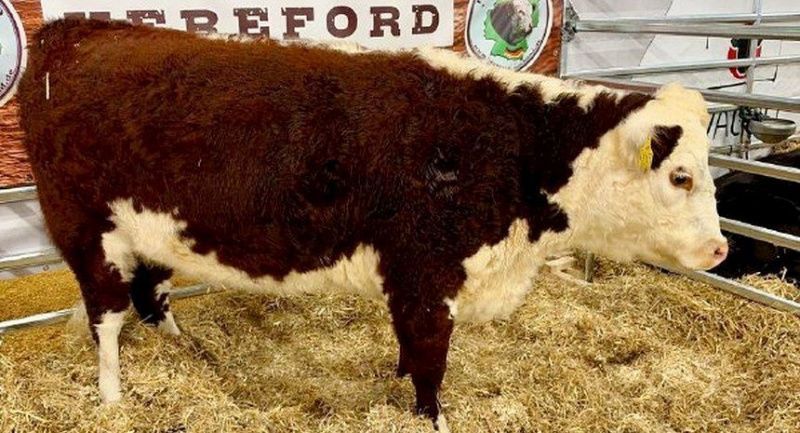
A meeting with GEA focused on equipping dairy farms and automating production processes. Talks with BARENBRUG covered high-yielding alfalfa varieties and feed quality. Cooperation with MASTERRIND concerns the development of pedigree livestock breeding and increasing milk yields by improving cattle genetics.
The Dutch leg of the visit included an introduction to dairy farm automation. The delegation was shown technologies including Lely milking robots. Participants studied the operation of farms with automated cow milking and feed distribution.
In Groenlo, regional representatives visited Royal Ten Kate. The company processes livestock hides and produces food-grade collagen under the Collapro brand. Its uses include the manufacture of meat products.
The region operates a program to replicate the North Kazakhstan Region's experience, as well as the Bereke and Igilik programs, which offer preferential loans at an annual interest rate of 6%. Funding supports livestock farming, the modernization of existing farms and the establishment of new ones. The regional administration expects to improve the industry's efficiency and the agricultural sector's competitiveness by introducing technologies, improving livestock genetics and feed resources, and developing advanced processing.