Japanese Dairy Farms Harness Cow Manure to Produce Clean Hydrogen
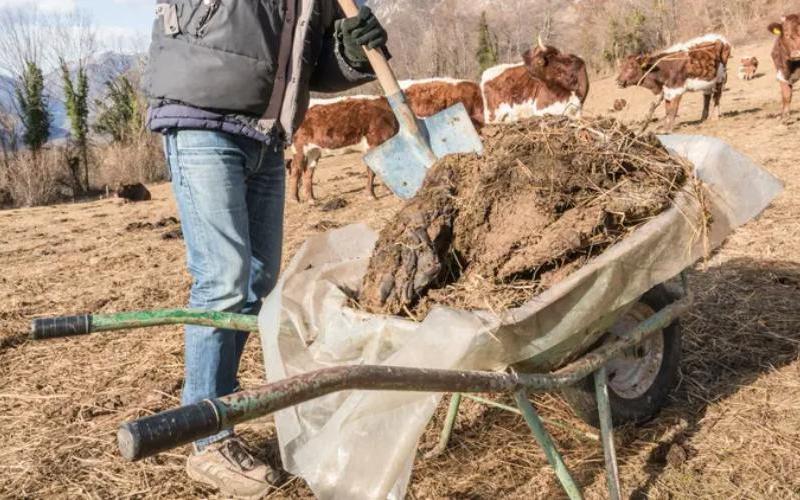
An innovative project in Hokkaido, Japan, is transforming the traditional view of dairy farming by using cow manure to produce clean hydrogen. This initiative is seen as a step towards sustainability in the dairy industry, utilizing the waste produced by nearly a million cows on the island.
The Shikaoi Hydrogen Farm is at the forefront of this experiment. It collects cow manure and urine and processes them under anaerobic conditions. Bacteria decompose the organic matter, producing biogas—mainly methane—and useful byproducts such as fertilizers. This biogas is then purified and converted into hydrogen through steam reforming at high temperatures.
Currently, the farm produces about 70 cubic meters of hydrogen daily, which is sufficient to fuel approximately 28 light vehicles. This model suggests that dairy waste can be a valuable energy resource, potentially reducing the environmental footprint of animal production systems.
Beyond merely managing waste, the project proposes a circular economy approach. Farms can generate a portion of their energy needs and fertilizers fr om their byproducts, which might otherwise release methane—a potent greenhouse gas—into the atmosphere.
For the global dairy sector, this Japanese experiment signals a future wh ere farms could explore new revenue streams and energy efficiency by integrating manure management with green hydrogen technologies. However, challenges such as scaling, cost, and hydrogen storage need to be addressed for widespread adoption.