Israeli Dairy Farmers Strike Causes Milk Shortages in Supermarkets
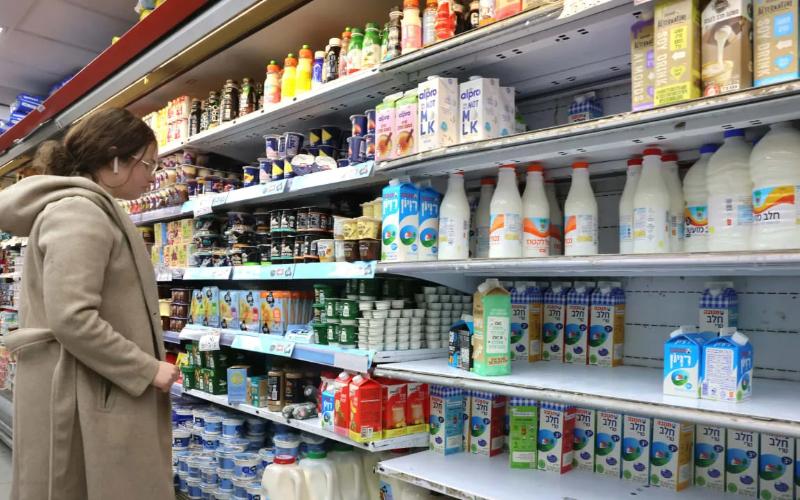
In Israel, major supermarket chains have begun restricting customer purchases of milk products, as a dairy farmers' strike disrupts supply. The strike is a protest against reforms proposed by Finance Minister Bezalel Smotrich, aimed at liberalizing the dairy market. The reforms include removing tariffs on dairy imports and decreasing the price paid to local farmers, prompting fears about the viability of domestic dairy production.
The strike has already led to a 20% shortage in milk supplies, with stores like Rami Levy in northern Israel reporting stock depletion. Other chains such as Machsaney HaShuk and Carrefour have also implemented purchase limits on items including milk cartons, cottage cheese, and cream products.
Farmers argue that the proposed reforms threaten the closure of around 400 dairy farms and could compromise Israel's food security. The reforms are seen as favoring large European dairies and could lead to increased reliance on imported milk from countries like Turkey and Poland.
According to statements from the farmers, this is the first time such drastic measures have been taken since the founding of the Israeli state, highlighting the gravity of the issue. They warn that the reforms could devastate not only the dairy sector but also related agricultural sectors, particularly those providing feed to dairy farms.
The government has faced criticism for allowing duty-free imports of agricultural products while imposing tariffs on Israeli exports, a policy that farmers claim harms local agriculture. The ongoing farmer protests underscore the tension between government policy and the domestic agricultural sector.