Innovative Use of Dairy Waste: Biodegradable 3D Printing Plastics
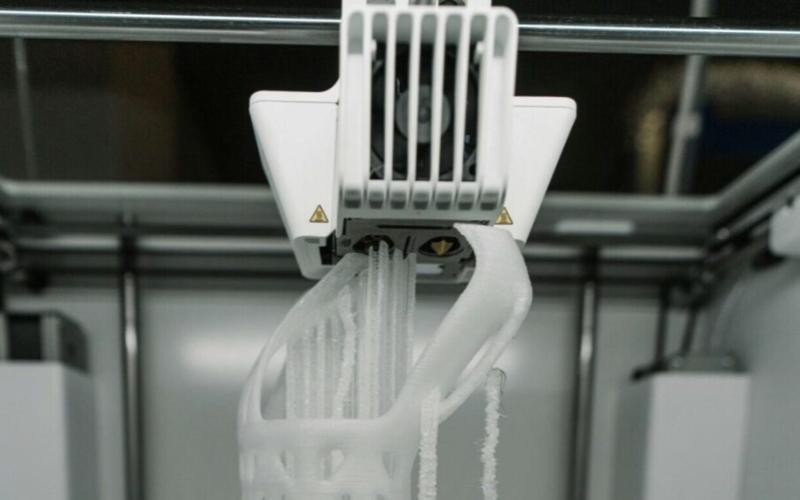
Researchers at the University of Wisconsin-Platteville have developed a novel method to convert dairy waste into biodegradable plastics suitable for 3D printing. Led by Dr. John Obielodan and Dr. Joseph Wu, the team spent five years perfecting a process to transform milk proteins from spoiled or surplus dairy into sustainable 3D printing material.
The project, now patented under the title "Development of Bio-Composite Materials for 3D Printing Using Milk Proteins," focuses on using casein and whey, the primary proteins in milk, as the base for a polymer filament. This innovation aims to provide an eco-friendly alternative to petroleum-derived plastics, which are significant contributors to environmental pollution.
During the COVID-19 pandemic, excess milk that would have gone to waste inspired this breakthrough. By repurposing dairy waste, the project aligns with circular economy principles, reducing waste and enhancing the utility of dairy beyond consumption. This approach not only offers potential new income streams for dairy farmers, particularly in high-production areas like Wisconsin, but also supports rural economies.
The researchers identified the optimal protein formulations for strength and printability, combining milk proteins with existing filament components to create a functional, biodegradable polymer. Current formulations involve blends, but ongoing research seeks to enable direct printing from unblended milk protein for even more sustainable feedstock.
Looking forward, the team plans to collaborate with industry partners to commercialize the technology and explore applications beyond 3D printing, potentially impacting various sectors, from manufacturing to medical devices.