Indian minister to launch plans for 57 dairy cooperatives in Sikkim
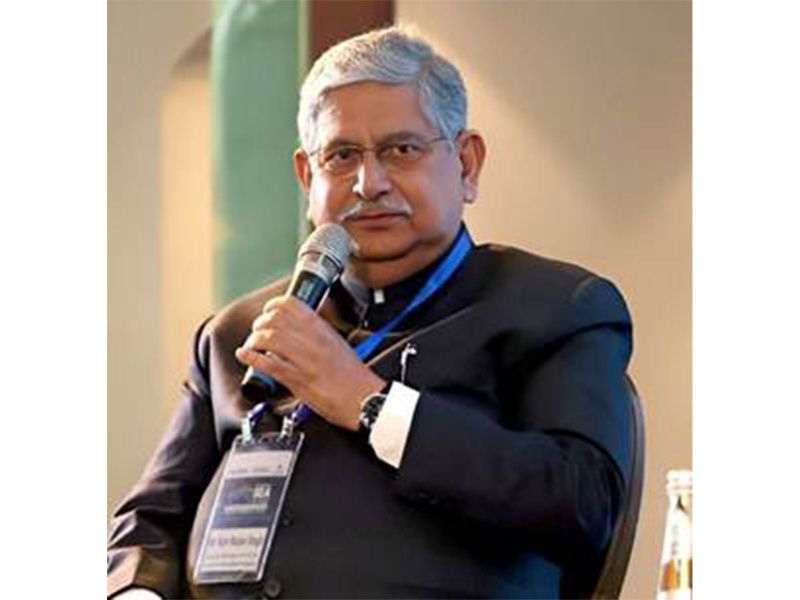
According to the Ministry of Fisheries, Animal Husbandry and Dairying, Singh will hand registration certificates to five newly registered dairy cooperative societies. The programme also includes the launch of work to form 15 societies in North Sikkim, bringing additional milk producers into the cooperative network. The laboratory is supported by the National Programme for Dairy Development (NPDD). A separate initiative will introduce traceability for Churpi cheese produced in Gangtok and Jorethang.
Singh will also promote two Fodder Plus Farmer Producer Organisations for the Sikkim Milk Union through India’s 10,000 FPO Scheme. Products scheduled for unveiling include organic honey, a powder blended with Niger seed, and organic biscuits and sweets using millets and buckwheat. Participants in the visit will include Sikkim government officials, the Mangan district administration, central government departments, the National Dairy Development Board, farmers and representatives of dairy cooperatives and producer organisations.
Sikkim produced approximately 89,350 metric tonnes of milk in 2024–25, when daily milk availability per person was around 352 grams. Since 2014, the Department of Animal Husbandry and Dairying (DAHD) has released ₹709.399 million to the state through the Rashtriya Gokul Mission. A separate project, with approved funding of ₹276.392 million, covers the development and conservation of the indigenous Siri cattle breed.
Support for Sikkim’s yak population includes ₹10 million released in 2023–24 for development and conservation. Another ₹10 million has been released in the 2026–27 financial year to purchase High Genetic Merit yak bulls through the Rashtriya Gokul Mission.
DAHD has approved nine projects in Sikkim through the NPDD, with combined expenditure planned at ₹596 million. The central government’s share is ₹546.1 million. Releases under the programme total ₹535.9 million, of which ₹526.1 million has been used.
From the 2020–21 financial year to date, assistance through the National Livestock Mission has included ₹191.439 million for fodder production and ₹53.062 million for livestock insurance. A further ₹40.864 million has supported breed improvement for small ruminants and pigs, while training and extension activities have received ₹35.98 million.
The ministry expects the infrastructure and other initiatives to support farmers’ and livestock rearers’ livelihoods, increase value addition, improve supply-chain facilities and provide income-generating opportunities. It also expects the measures to improve market access for locally produced goods, including entry into premium and international markets.