India Targets Global Leadership in Dairy Exports
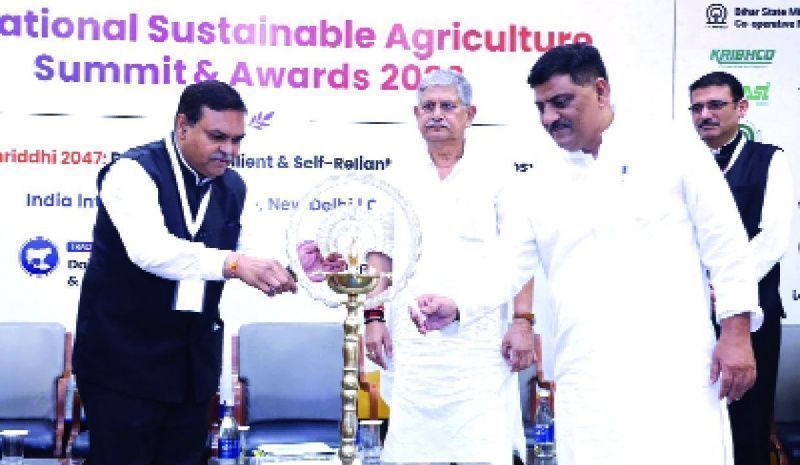
India’s milk output has reached 248m tonnes, providing the basis for a policy shift towards greater participation in international dairy trade. Agricultural investment is being directed towards converting the country’s large raw-milk supply into processed products for overseas markets. The strategy identifies import markets in Asia and the Middle East as target destinations.
Animal-health certification is described as a central requirement for expanding shipments of both liquid milk and processed dairy goods. National vaccination efforts against foot-and-mouth disease are intended to support the creation of officially recognised disease-free zones. Recognition by the World Organisation for Animal Health would allow processors in those zones to meet the sanitary and import-control requirements applied by destination countries.
India is also deploying reproductive technologies to raise output per animal, particularly within smallholder systems. The measures include sex-sorted semen, embryo transfer and in-vitro fertilisation across indigenous and crossbred cattle. Higher milk-solids yields would increase the concentration of usable raw material near processing centres and reduce production costs for farmers, according to the report.
Investment in rural collection networks is extending to the treatment of livestock waste. Biogas plants located within co-operative facilities use animal waste to produce energy and organic fertiliser. The installations provide additional revenue at farm level and can supply heat for nearby processing operations while reducing the environmental footprint attributed to primary dairy production.
Regional farming models are being organised around closer links between dairy, horticulture and livestock production in major producing states. A standalone ministry for dairying, established in 2019, continues to direct investment towards cold-chain collection systems and processing upgrades. The policy framework also includes standardised value chains through which rural co-operatives can meet international quality requirements.
The programme combines animal-health measures, breeding technologies and physical infrastructure rather than relying solely on increased milk volumes. Its stated objective is to create competitive positions for Indian dairy products in foreign markets while expanding the share of processed and other value-added goods in exports.