India Sweet House Reaches 50 Stores Through Value-Added Dairy
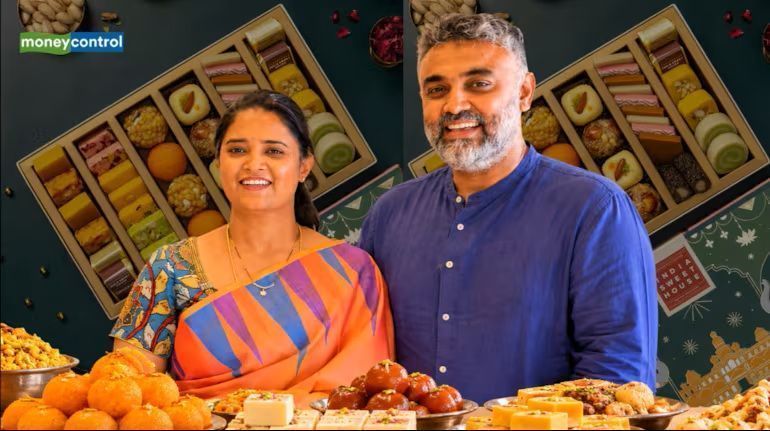
India Sweet House was established by Vishwanath Murthy V, Shwetha Rajashekar and food-industry executive Rajesh Mehta. The business grew out of Karma Farms, an organic dairy operation covering more than 20 acres near Bengaluru. The farm uses automated milking parlours and high-yielding cattle herds.
In 2020, the farm faced losses and distribution constraints while selling liquid milk as a commodity. Surplus milk could not be consistently sold through urban wholesale channels, so the management redirected it into traditional dairy sweets. The measure initially addressed the risk of daily wastage and later became the basis for a branded retail business.
The company operates an integrated supply chain from the farm to its production kitchens. Milk is extracted under cold-chain procedures, chilled promptly and processed into khoya, desi ghee and whole-milk paneer. India Sweet House uses these ingredients in products including Mysore pak, peda and kaju katli, rather than buying key dairy inputs on open spot markets.
The company’s retail network now comprises 50 locations in Karnataka, combining outlets operated directly by the business with franchise stores. Its reported annual turnover is Rs 80 crore. The shift from liquid milk to confectionery increased the value obtained from each litre: the source estimates that ghee- and mawa-based products generate four to six times the farmgate value of the underlying milk.
India Sweet House has used operating cash flow to finance store construction and kitchen equipment. It also secured seed institutional funding from private-equity investors, providing liquidity for omnichannel distribution, corporate-gifting arrangements and expansion into high-street retail locations in Tier-1 cities. The company employs more than 800 people, most of them rural women.
The business operates in a confectionery market historically dominated by local halwais and semi-formal sweet shops. The source describes growing consumer demand for traceable ingredients, hygienic processing and organic credentials, alongside premium retail formats for festive and gifting purchases. India Sweet House combines traditional recipes with standardized packaging and contemporary stores.
Management is planning further expansion along major urban corridors in southern India and is examining export channels aimed at demand from diaspora consumers. The company’s stated model links dairy production with downstream processing and direct retail sales.