India’s FSSAI Considers Nationwide Ban on Non-Dairy Paneer
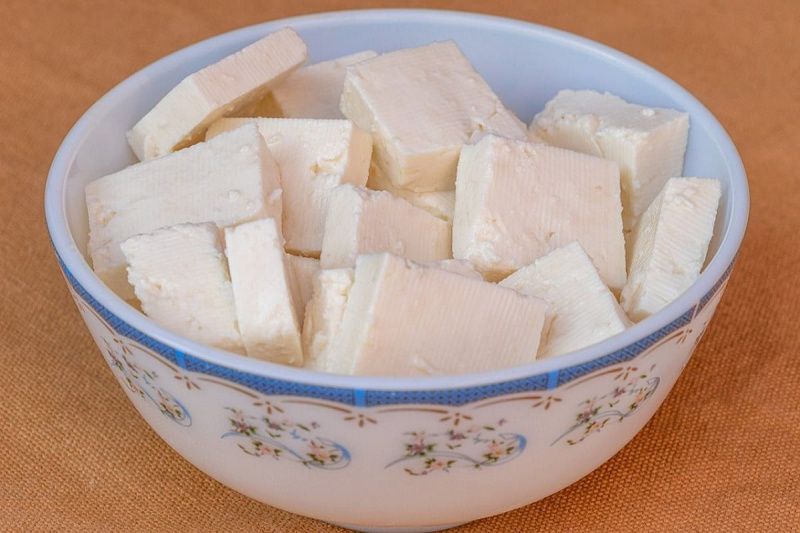
The Food Safety and Standards Authority of India (FSSAI) is examining a central regulation covering analogue paneer, according to its chief executive officer, Rajit Punhani. The proposal follows restrictions introduced by several states and enforcement action against products that resemble conventional paneer.
Punjab, Karnataka, Maharashtra, Gujarat, Chhattisgarh, Madhya Pradesh, Himachal Pradesh and Uttarakhand have imposed measures affecting non-dairy or analogue paneer. Their rules cover activities including production, processing, preparation, packaging, storage, transport, distribution and retail sale.
Analogue paneer is made to look like traditional paneer but can include vegetable oil, vegetable fat or other substitutes alongside milk fat or milk solids. Conventional paneer is made mainly from milk. FSSAI said the national framework would address standards, labelling and enforcement for these products across states.
The regulator is preparing separate draft rules for foods containing high levels of fat, sugar and salt. The proposed rules would bar their sale within 50 metres of schools nationwide. The measure forms part of FSSAI’s Eat Right India initiative, which includes programmes promoting balanced diets in schools, colleges, railway stations and other public locations.
Punhani said that safe food must also be healthy, and that healthy food should be an easy, informed and affordable choice. The initiative is directed at reducing children’s exposure to such products and encouraging healthier eating habits from an early age.
FSSAI is also asking grocery, e-commerce and quick-commerce platforms to make manufacturing and expiry dates more prominent in digital listings. Punhani said these details are not always displayed clearly online. The regulator identified dairy products, sweets, snacks and ready-to-eat foods as items for which visible date information is particularly relevant because of their limited shelf lives.
The proposals are being considered before the festive season, when demand for dairy products and related foods generally increases and food-adulteration concerns receive greater attention. Final rules will depend on the wording of the drafts, stakeholder consultation and implementation by states and retail platforms.