India's Dairy Sector Faces Challenges from Fodder Deficit
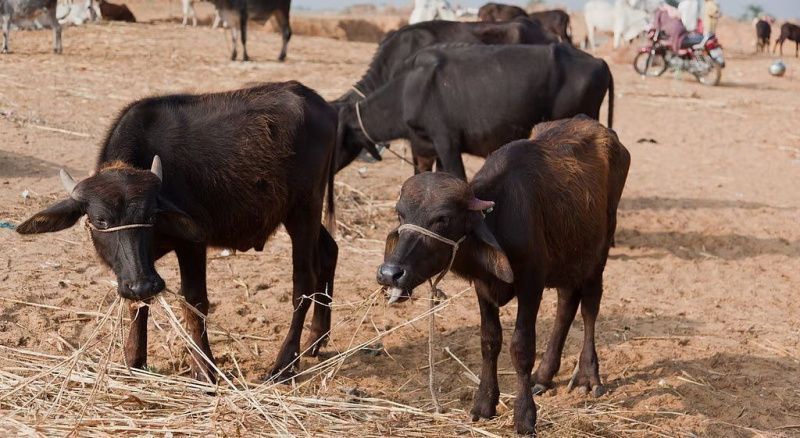
India's dairy sector, recognized as the largest in the world, operates under a continuous structural deficit of feed supplies, which includes green fodder, dry crop residues, and concentrate feed inputs. Despite the occasional favorable monsoon cycles, this deficit remains a significant concern. The Indian Grassland and Fodder Research Institute (IGFRI) highlights that this shortfall persists relative to the country's extensive bovine population.
Typically, during abundant harvest years, the availability of grain straw and pasture grazing temporarily mitigates these imbalances. However, erratic rainfall patterns and extreme heat waves severely undermine this fragile equilibrium. The occurrence of Super El Niño conditions further exacerbates feed insecurity through various mechanisms, including uneven monsoon rains across key milk-producing areas, leading to a reduction in kharif crop production. This results in a diminished supply of straw and crop residues for livestock.
In addition, drought conditions contribute to the shrinking of communal grazing pastures, compelling smallholder farmers to purchase commercial concentrates at inflated prices or reduce feed intake altogether. This situation directly affects milk yields and overall cattle productivity.
The economic consequences of this feed shortage are intensified by thermal stress on the livestock. When temperatures surpass optimal levels, dairy cows consume less dry matter while expending more energy to regulate their body temperatures. This creates a challenging environment for dairy producers, as input costs for fodder, concentrates, and water increase significantly at the same time that daily milk yields decrease.
This dual-pressure scenario leads to compressed farmgate margins, forcing producers to raise retail dairy prices to sustain profitability. The rising costs of operational inputs combined with reduced productivity ultimately impact both producers and consumers in the dairy market.
As the dairy industry navigates these challenges, the impacts of climate variability on fodder availability and livestock productivity remain a critical area of concern for stakeholders across the sector.