India’s dairy sector expands bioenergy use through livestock waste
India produces about 248 million metric tons of milk each year, making it the world’s largest milk producer. National output is increasing by roughly 5% to 6% annually. More than 25 million smallholder and marginal farmers participate directly in organised cooperative networks, which provide assured access to markets and support the inclusion of women in the rural workforce.
Those cooperative networks also provide established routes for handling and distributing material associated with dairy production. Under the proposed waste-to-energy model, manure would be moved through these systems as a standardised commercial input rather than remaining an unmanaged byproduct. The model treats livestock waste as a source of both energy and agricultural products.
Methane-abatement efforts described for the sector have two elements. The first is increased productivity per animal through breeding and reproductive technologies. Initiatives including the National Gokul Mission, sex-sorted semen, embryo transfer and in-vitro fertilisation are raising fluid yields per cow. Higher yields are intended to reduce the emissions intensity associated with milk production.
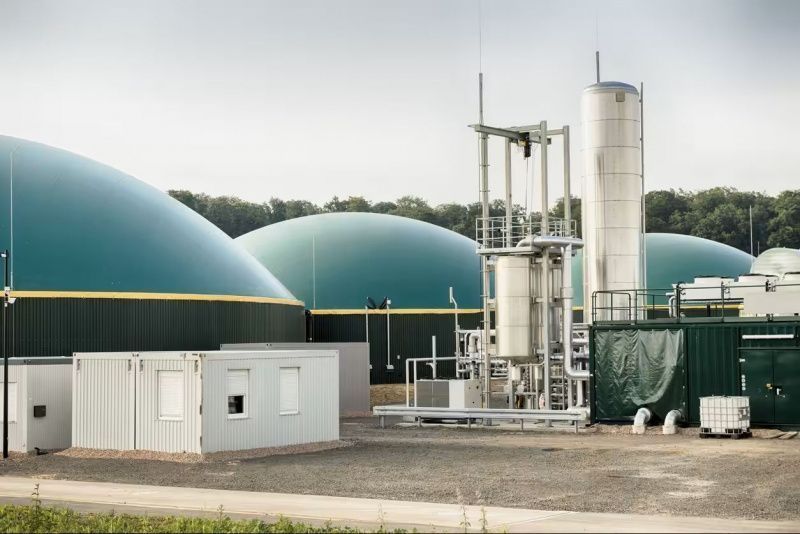
The second element is the use of closed-loop manure systems. Raw manure can be directed into anaerobic digesters, where it is processed instead of being released directly into the atmosphere as greenhouse gas emissions. The digestion process produces renewable heat and bio-CNG suitable for transport, adding energy products to the dairy value chain.
Biogas production also generates a nutrient-rich material known as bio-slurry. This output can be refined into standardised organic fertilisers for use in place of synthetic chemical inputs. The stated effects include restoration of soil organic carbon, improved moisture retention and lower input costs for crop farmers.
Structured manure-management programmes may also allow cooperative networks to produce verified carbon credits. The credits would create an additional source of income, with monetary distributions made directly to rural households. Together, the waste, energy, fertiliser and carbon-credit streams connect dairy cooperatives with farming and environmental markets.