India's Dairy Policy Shifts Boost Smallholder Participation and Incomes
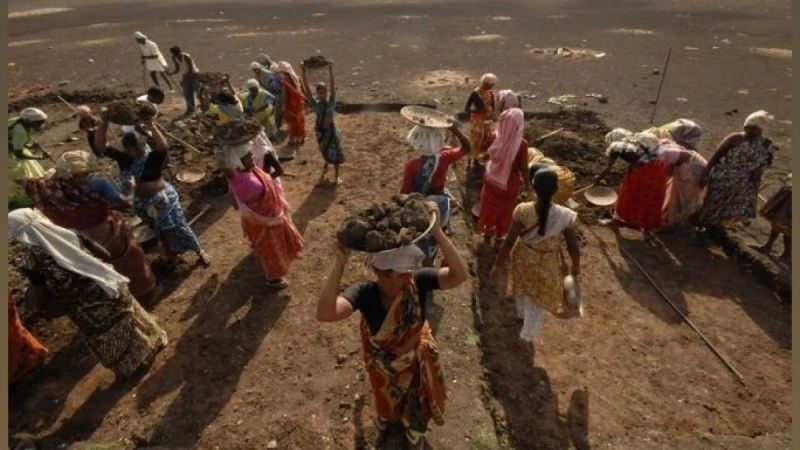
The Himachal Pradesh Milkfed has introduced a 20-liter cap on milk procurement per producer, aiming to support small and marginal family farms. This decision is part of a broader strategy to address the consequences of increased milk production in the region, spurred by a competitive Minimum Support Price (MSP) framework implemented by the state government.
Under the current pricing policy, the procurement price for cow milk has risen from Rs 32 to Rs 61 per liter, while buffalo milk prices have increased from Rs 47 to Rs 71 per liter. The substantial price hikes are designed to protect primary producers from volatile market conditions and to ensure equitable distribution of state-backed financial benefits.
State authorities have noted that without the intake cap, financial gains from the subsidized MSP could potentially be concentrated among a few high-volume commercial producers. By imposing this limit, the policy ensures that smaller producers have access to premium collection centers backed by state support.
Since the introduction of these economic policies, the number of active dairy producers in the state cooperative system has increased significantly. Over the past two years, registered producers have grown from 28,645 to 42,500. Automated village collection centers have also seen an increase in daily milk intake, from 1.57 lakh liters per day to 2.20 lakh liters.
This policy adjustment highlights the government's focus on enhancing rural incomes and stabilizing the dairy sector's growth by prioritizing smallholder equity within the state’s cooperative framework.