India maintains agricultural import restrictions amid US announcement of 25% tariff

Washington has sought broader access for American farm products, including milk products, poultry, maize, soybeans, rice, wheat, ethanol, fruit and nuts. New Delhi has shown more willingness to consider opening its market to apples and dried fruit, while retaining controls on several other commodities. India’s position is that any agricultural opening must take account of the millions of people whose livelihoods depend on farming. Agriculture accounts for about 16% of the Indian economy, according to figures cited by Reuters in 2025, and supports a substantial share of the population.
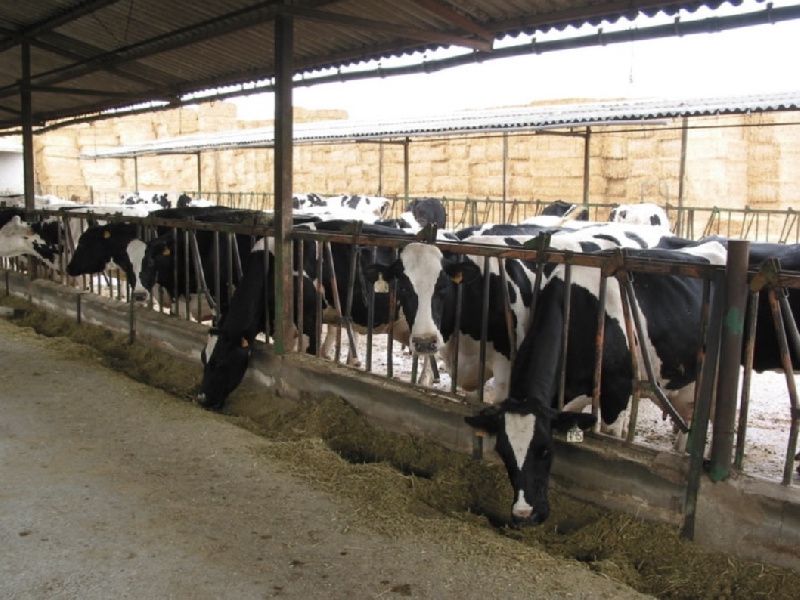
Milk production supplies rural jobs and an additional source of earnings for smallholders, farmers with marginal holdings and households without land. Many producers keep just two or three animals. Sales of milk provide recurring cash receipts and help households diversify their income when unreliable monsoon rainfall disrupts crops. The article identifies lower-priced dairy imports as a possible source of pressure on the prices paid for domestic milk and on producers’ earnings. Dairy cooperatives seek to keep procurement prices competitive while supporting their smallholder suppliers. Their collection networks and the country’s extensive base of household producers are important components of the domestic milk supply chain.
India’s concerns about dairy imports also encompass feeding methods and consumer preferences. Reuters highlighted objections among Indian stakeholders to the inclusion of ingredients derived from animals in cattle feed in the United States. These practices raise questions of cultural and consumer acceptance in a country where vegetarian diets are widespread. Dairy consequently has social and cultural significance as well as an economic role. Food-safety requirements, environmental considerations and national agricultural policies also form part of India’s approach to allowing farm imports.
Genetically modified maize and soybeans are a separate point of disagreement. GM varieties account for a substantial proportion of American output of both crops, whereas India restricts imports of GM food crops. Its controls reflect regulatory requirements, environmental concerns and questions of public acceptance. Genetic modification is also contested within India: proposals for commercial cultivation of an indigenous GM mustard variety have faced legal challenges. The debate therefore extends beyond the price of imported commodities to the rules governing which crops may enter the country and which varieties may be cultivated domestically.
The two countries’ farming systems differ markedly in scale. Figures cited by Reuters put the average holding in India at approximately 1.08 hectares, against roughly 187 hectares in the United States. Herd sizes show a similar contrast: Indian milk production often takes place in households with a few animals, while American dairy businesses frequently keep hundreds of cattle or more. Farming in the United States uses extensive mechanisation, advanced technology and closely integrated supply chains. Many Indian producers work smaller plots using more traditional methods. The article identifies these differences as factors affecting production costs, scale economies and competition with imports.
Ethanol is another part of the market-access disagreement. India’s Ethanol Blended Petrol programme seeks to lower reliance on fossil-fuel imports and increase demand for agricultural inputs grown at home, especially sugarcane and maize. India reached its target of blending 20% ethanol into petrol, encouraging investment in domestic distilling capacity and supporting farmers who supply the raw materials. The article identifies increased imports of American ethanol as a potential influence on demand for Indian feedstocks and the prices their growers receive. The issue also involves connections between crop production, animal feed, livestock farming and dairy cooperatives.
India’s experience of buying edible oils abroad has also informed its stance on agricultural trade. Imports meet a substantial part of the country’s vegetable-oil needs. In the dairy sector, the stated policy concerns include domestic milk output, payments to farmers and food security alongside opportunities for international trade. India has maintained farmer protection as a priority in its discussions on trade agreements, together with improving agricultural productivity and competitiveness.