India Faces Heat Stress Impact on Dairy Production
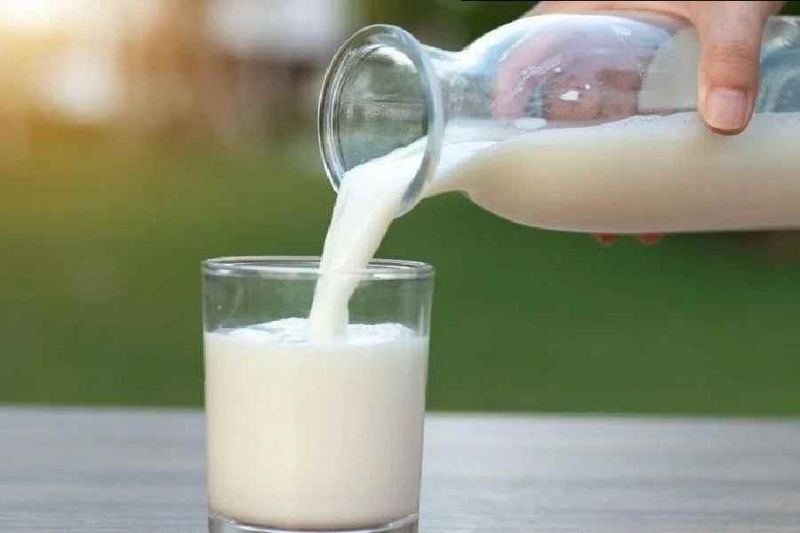
India, known for being the largest producer of milk globally, is facing a significant challenge due to climate change-induced heat stress affecting dairy cattle. In the fiscal year 2024-25, India's milk production reached approximately 248 million tonnes, making up about one-fourth of the global output. The dairy sector supports over 80 million farmers and plays an essential role in rural incomes and nutritional security.
Heat stress in dairy animals occurs when they cannot effectively dissipate body heat due to high temperatures and humidity levels. This situation is particularly problematic for high-yielding crossbred cattle, which generate considerable metabolic heat. As temperatures rise, these animals reduce their feed intake, increase water consumption, and experience physiological stress, leading to lower milk production, reduced fertility, increased disease incidence, and higher mortality rates during extreme weather events.
Several Indian states, including Uttar Pradesh, Rajasthan, Gujarat, Maharashtra, Madhya Pradesh, and Andhra Pradesh, which together account for a significant portion of the country's milk production, are projected to experience frequent and prolonged periods of thermal stress. Economic implications are considerable, with research estimating annual milk losses due to heat stress could range from 361,000 tonnes to 377,000 tonnes under projected climate conditions, translating to approximately ₹1,200 crore annually at current prices.
Furthermore, the heat stress exacerbates India's fodder crisis as prolonged heat waves lead to decreased feed intake by animals, even as their nutritional needs increase. Water scarcity further complicates the situation, with dairy animals needing substantial water supplies amid groundwater depletion and recurring droughts.
Addressing these challenges requires a comprehensive adaptation strategy. Prioritizing climate-resilient dairy infrastructure is crucial, as many dairy animals in India are housed in open or semi-open sheds with limited protection from extreme weather. Investments in scientifically designed shelters, reflective roofing materials, natural ventilation systems, shade structures, and low-cost cooling technologies can reduce heat stress significantly.
The promotion of indigenous and heat-tolerant breeds is also essential. While cross-bred cattle produce more milk under optimal conditions, indigenous breeds like Gir, Sahiwal, and Tharparkar have superior adaptability to high temperatures and disease pressures. Climate-smart feeding strategies, such as balanced nutrition and improved fodder management, can mitigate heat stress impacts. Technological interventions, including weather-based livestock advisory systems, can provide farmers with advance warnings of heat waves and recommendations on feeding schedules and water management. Water security must also become a focal point of dairy policy.
The future of dairy development in India must focus on sustainable milk production in the context of a warming climate.