India's Increasing Milk Production and Regional Disparities in Access
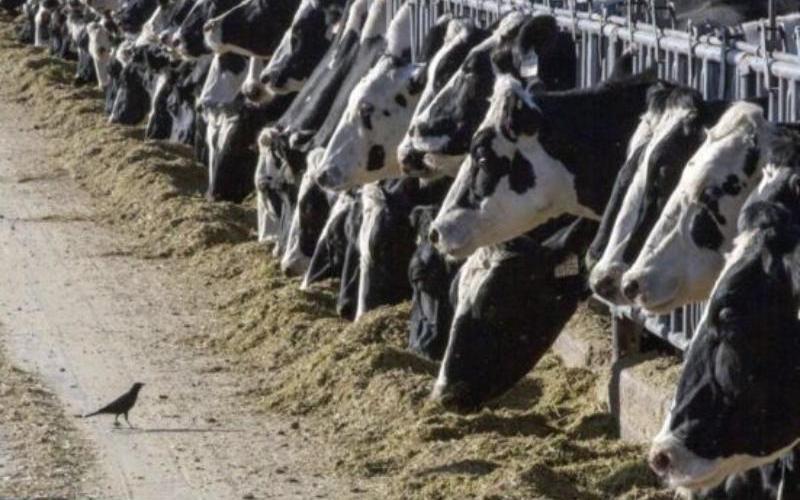
India's milk production has seen an uptick, with figures rising fr om approximately 210 million tonnes in 2020-21 to around 248 million tonnes in 2024-25. This represents an increase of about 18%, consolidating its position as the world's largest milk producer. However, the growth in production has not translated uniformly across the country, with significant regional disparities in milk access and availability.
Five states contribute to over 54% of India's total milk output. Uttar Pradesh leads with approximately 38.8 million tonnes, followed by Rajasthan at 36.7 million tonnes, Madhya Pradesh with 22.6 million tonnes, Gujarat at 19.3 million tonnes, and Maharashtra contributing 16.6 million tonnes. This concentration means that disruptions in these regions can lead to national supply challenges and price volatility.
Per capita milk availability increased to 485 grams per day in 2024-25 from 427 grams in 2020-21. Yet, this average conceals stark differences among states. For instance, Punjab, Rajasthan, and Haryana boast some of the highest per capita availability globally, while states like Manipur and Lakshadweep have significantly lower figures.
The composition of milk production is also shifting. By 2024-25, cattle accounted for about 53.5% of milk output, surpassing buffaloes' contribution of 43.1%. This shift is largely due to the rising productivity of crossbred cows, which now represent nearly 31% of India's milk production.
Despite these advancements, regional differences in species reliance persist, influencing local markets. Buffalo milk remains predominant in Haryana and Uttar Pradesh, while cow milk is more common in the South and East due to limited buffalo populations.
The data reflects a complex landscape wh ere production growth does not equate to equitable access. Future strategies will need to focus on improving distribution, productivity, and sustainability to ensure that India's dairy sector continues to support food security and rural livelihoods.