High Humidity Challenges Dairy Herds in Southern Brazil
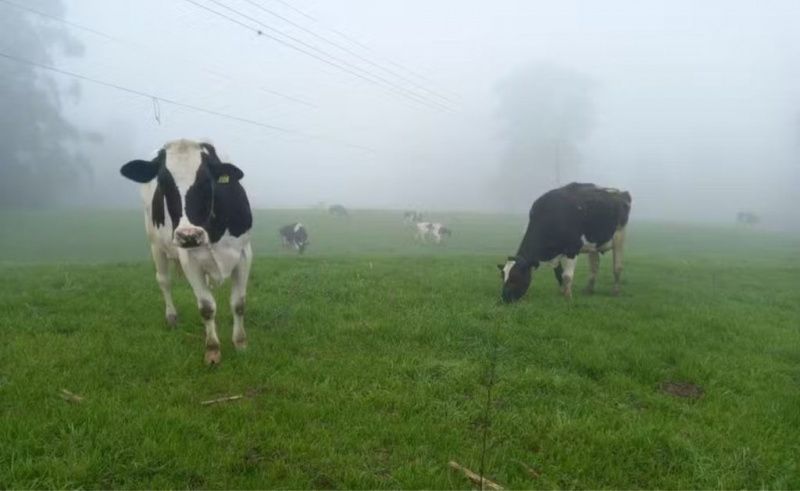
In the Southern regions of Brazil, the combination of high humidity and low temperatures during winter is posing significant challenges for dairy cattle management. Unlike the cold itself, it is the interaction of humidity with environmental conditions that is causing concern among livestock managers.
According to Maíza Scheleski, the acting technical superintendent of the Holstein Cattle Breeders Association in Rio Grande do Sul, the Holstein breed is generally resilient to cold weather. However, prolonged exposure to humid and muddy environments leads to decreased performance and heightened health risks.
The immediate effects of high humidity are seen in increased hoof problems and a higher incidence of mastitis among dairy cattle. Wet ground conditions, coupled with the accumulation of mud and insufficient dry areas, create a breeding ground for diseases, adversely affecting both the health and productivity of the herd.
Scheleski stresses the importance of environmental management during this period. Providing dry and sheltered areas, particularly after rainfall, is crucial in minimizing the health impacts of high humidity on dairy cattle. Without such facilities, the sanitary risks escalate rapidly within farm operations.
Young cattle are especially vulnerable, as the combination of humidity, low temperatures, and wind leads to more frequent respiratory problems. Clean, dry housing with adequate bedding and protection from the wind is essential to reduce developmental losses in young animals.
Furthermore, holistic management that integrates nutrition, health monitoring, and infrastructure is vital. The performance of dairy herds in winter relies on a coordinated approach, including proper feeding, constant health surveillance, and well-organized facilities.
Ultimately, high humidity is not a passive climatic factor but an operational variable. The way farms respond to these conditions determines the level of impact on animal health and productivity throughout the winter season.