Heat Stress in Dairy Cattle Affects Long-term Herd Health
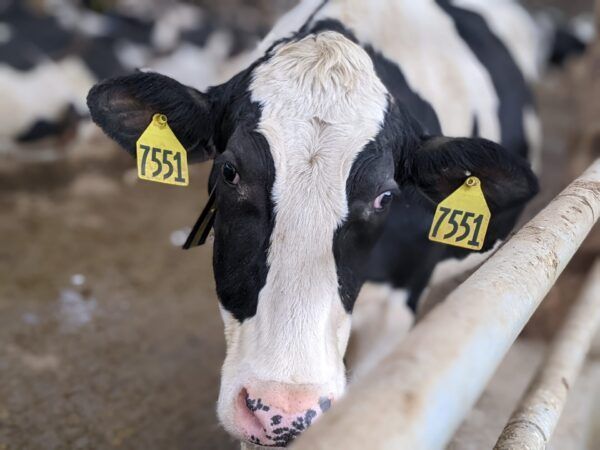
Extreme summer heat is posing significant long-term health risks for dairy cattle, according to Jeff Tikofsky, a dairy nutritionist with Zinpro Corporation. He emphasizes that the health challenges linked to heat stress do not necessarily end when temperatures normalize.
Tikofsky points out that cows in their last trimester of pregnancy during periods of heat stress could influence the health of three subsequent generations. He notes, "Reproductive efficiency and hoof health consequences are generally not fully realized until the heat has already passed." This underscores the prolonged impact of heat stress beyond immediate conditions.
Additionally, Tikofsky highlights the nutritional challenges that arise due to increased temperatures. He explains that modern dairy diets, which often contain high levels of fat, are susceptible to oxidation as the feed heats up. This oxidation can lead to rumen health issues and a reduction in nutrient content, stressing that such oxidative stress occurs throughout the day.
Among the most common signs of heat stress in dairy cattle are crowding around water sources and a reduced intake of feed. These behaviors indicate the animals' efforts to cope with the heat, which can further complicate their nutritional and overall health status.
To mitigate these risks, it is crucial for dairy farmers to monitor and manage environmental conditions closely, ensuring that cattle have adequate access to water and that feed is stored and delivered in ways that minimize heat exposure.