H5N1 Virus Detection in Raw Milk Raises Biosecurity Concerns in Dairy Sector
New scientific findings reveal that the H5N1 avian influenza virus can remain viable in raw milk and certain unpasteurised dairy products, raising important biosecurity concerns. The research indicates that while the primary transmission route of H5N1 is animal-to-animal and bird-to-mammal contact, the virus can persist in raw milk and during the production and storage of raw milk cheeses.
According to the study, raw milk creates a biologically favourable environment for the virus, allowing it to stay infectious for extended periods under refrigeration. Standard pasteurisation processes have been shown to effectively inactivate the virus, reinforcing pasteurisation's critical role in food safety.
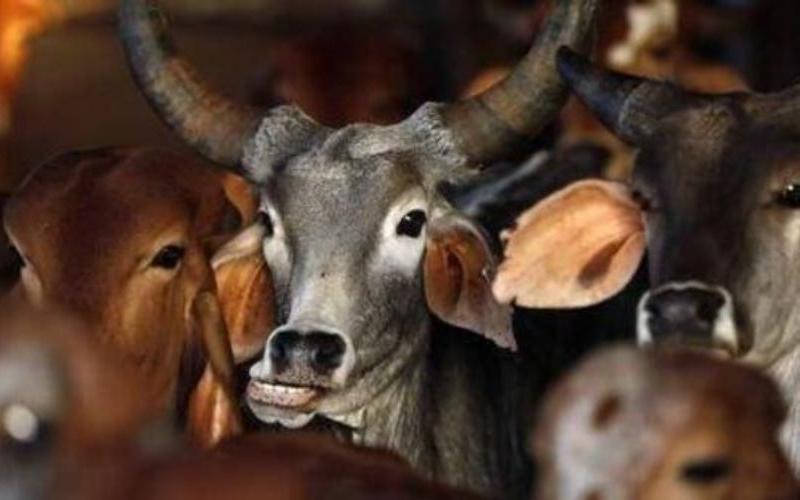
The findings are significant as multiple countries have reported H5N1 detections in dairy cattle, marking a change in the virus's epidemiological profile. Although no human infections linked to dairy consumption have been reported, scientists warn of the potential for viral adaptation across species, necessitating increased surveillance.
Artisanal and traditional raw milk cheese producers may face heightened scrutiny as public health authorities reassess risk management frameworks. The research suggests that while extended ageing periods reduce viral viability, short-aged or fresh cheeses made from unpasteurised milk could pose higher exposure risks if sourced from infected animals.
Experts emphasize the need for strict herd health monitoring, routine testing, and rapid isolation of infected animals to protect supply chains. Enhanced on-farm biosecurity and traceability are critical to maintaining consumer confidence in dairy products.
The industry consensus remains that pasteurisation is the most effective safeguard against milk-borne pathogens, including new zoonotic threats. Dairy processors are urged to review contingency plans, especially in regions facing avian influenza spillover events. Regulators may also consider temporary controls on raw milk sales in high-risk areas to prevent wider transmission.