Go Zero Reported 350% Growth in May
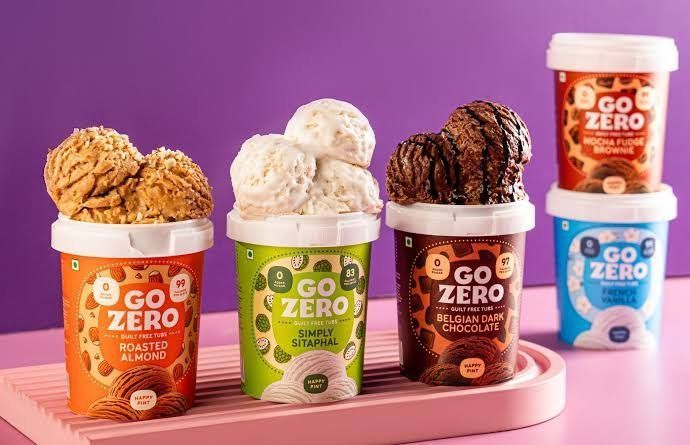
Go Zero’s reported May growth has drawn attention to reduced-sugar ice cream in India’s dairy and frozen-dessert market. The company did not provide, in the available information, the comparison period, sales base or measurement behind the 350% figure. It is therefore a reported performance indicator rather than a complete measure of the brand’s market position.
The brand’s product positioning centres on the experience of eating ice cream rather than on restriction. Its approach emphasises flavours, texture and enjoyment while addressing consumers’ concerns about conventional sugar intake. The positioning reflects a broader industry challenge: products designed around dietary preferences must still provide the sensory qualities associated with familiar desserts.
Reformulation changes more than sweetness
In ice cream, sugar affects freezing behaviour, texture, body and the structure of the finished product as well as taste. Lowering its level can therefore require changes to the recipe and manufacturing process. Producers may use different sweetening systems, adjust other ingredients or modify processing methods, with each formulation assessed for flavour, stability, texture and consumer acceptance.
These requirements give dairy companies scope to expand beyond conventional full-sugar products. Reduced-sugar ice cream, portion-controlled desserts and products aimed at particular dietary preferences are among the formats that can serve consumers with differing expectations. The source material also identifies related opportunities in yoghurt, flavoured milk and other dairy-based drinks, including lactose-free and high-protein products.
Marketing and labelling requirements
Go Zero’s positioning places the product benefit alongside the qualities consumers seek in a dessert. Marketing that focuses only on what a product removes can make a reformulated food appear restrictive, while messages about flavour, convenience and enjoyment present the product as a choice in its own right. This approach is described as relevant across value-added dairy products, not only ice cream.
Nutritional claims still need to match the product’s actual composition and comply with applicable food-labelling and advertising rules. Ingredient information and transparent labelling matter when consumers compare alternatives. Health-related claims should not suggest benefits that available evidence does not establish.
What the reported figure shows
The available material lists product quality, consumer research, clear communication and transparent labelling as considerations for dairy businesses. It also identifies repeat purchases as a more meaningful measure of lasting acceptance than initial interest alone. Consumers compare ingredients, nutritional information, price and convenience alongside taste, texture and satisfaction when assessing dairy products.
The reported May performance does not establish why Go Zero’s growth occurred. It does show the commercial attention being given to ice cream that combines a reduced-sugar proposition with an indulgent product experience. For manufacturers, the source identifies the central product requirement as maintaining flavour, creaminess, sweetness balance and mouthfeel while responding to changing dietary preferences.