Fonterra's 25 Years Have Reshaped New Zealand Dairy
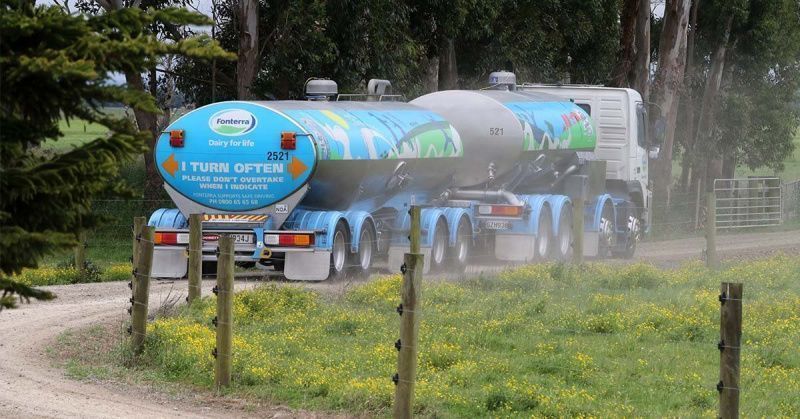
Fonterra was formed in October 2001 and has operated through major changes in international dairy markets. A report by Farmers Weekly said that farmers supplying Fonterra and other processors had recently received milk payouts above NZ$9 per kilogram of milksolids (kg MS). In the co-operative's first 14 years, eight annual payouts were below NZ$5/kg MS.
Early payouts also moved sharply from year to year, sometimes by NZ$3–4/kg MS. Dr Nic Lees, a senior lecturer in agribusiness management at Lincoln University, identified the long-term rise in farmgate prices as one of Fonterra's main achievements for farmers, while noting that many price changes were determined by conditions outside the co-operative's control.
International supply and demand have remained central to milk pricing. China's purchases of whole milk powder grew rapidly between 2009 and 2014, reaching about 670,000 tonnes in 2014. Imports then fell as inventories built up and demand weakened. New Zealand's farmgate milk price declined from NZ$8.40/kg MS to NZ$4.40/kg MS and later to NZ$3.90/kg MS during that period.
Fonterra established Global Dairy Trade in 2008 as a platform for international dairy commodity price discovery. The system made market information more visible to buyers and sellers. In 2015 the European Union ended its dairy quota system, allowing European milk production to respond more directly to market signals and altering the competitive conditions for exporters.
Lees attributed the lower volatility seen since 2017 to the growth and diversification of the global dairy market. China's demand had matured, milk-powder exports from the United States had expanded, and New Zealand had developed a broader range of export markets. Dairy prices nonetheless continued to be affected by consumer demand, competing exporters, production volumes and exchange rates.
The New Zealand dollar's value against the US dollar is significant because many dairy commodities are priced in US dollars. With international prices unchanged, Lees estimated that a 10 US cent rise in the NZD/USD exchange rate could lower the farmgate milk price by about NZ$1.50/kg MS under the conditions examined in the report. Fonterra uses currency hedging and futures-market instruments to manage part of this exposure.
The co-operative has retained spare processing capacity, which allows it to handle different product options and respond to market opportunities. Its product categories include specialised nutrition, foodservice ingredients and other differentiated dairy products, alongside conventional commodities. Recent payouts above NZ$9/kg MS have occurred while the estimated breakeven milk price has risen to approximately NZ$8.90/kg MS. Farm working expenses are about NZ$6.60/kg MS, leaving farmers exposed to higher costs or lower milk prices.