Expansion of Dairy Farms in California Sparks Community Concerns
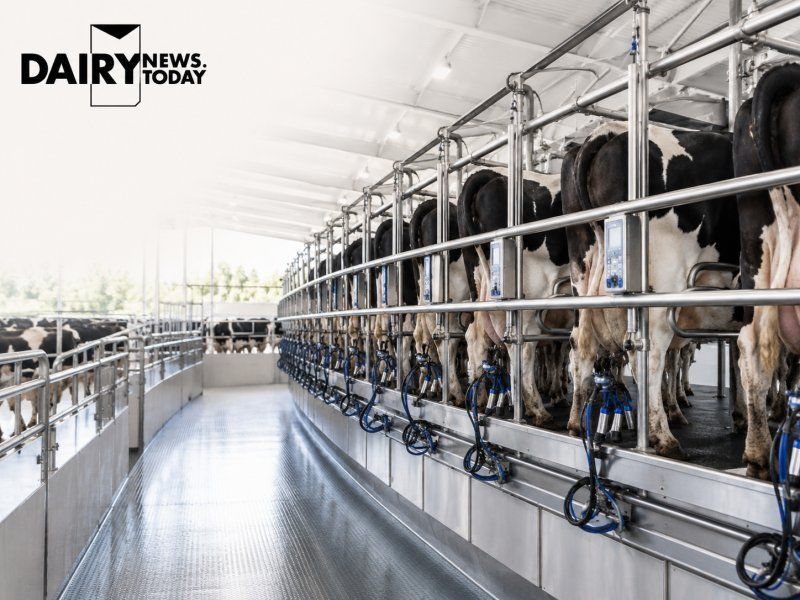
The Central Valley of California has seen significant growth in dairy farm operations, particularly in Merced County, where local residents have raised concerns over the expansion of dairy farms and their environmental impact. Hillcrest Dairy, located in Le Grand near Planada, has sought approval to expand its herd by 1,700 cows and construct new facilities, including a 50,000 square-foot barn. This expansion is part of a broader trend in the region where more than 160 manure digesters are already operating at dairy farms statewide, with dozens more under construction.
Merced County has approved the construction of a new digester at Hillcrest Dairy, designed to convert cow manure into biogas. Dairy owners claim this reduces environmental harm by decreasing the need to dispose of manure. However, local residents and environmental groups argue that digesters could leak contaminants into the air and water, and potentially lead to further farm expansions.
According to the Leadership Counsel for Justice & Accountability, Merced County has already permitted or is considering permits for two biogas pipeline projects and ten dairy expansions that could add over 46,000 cows in the area. This has heightened concerns among residents who already avoid using local water sources due to fears of contamination.
The Central Valley, home to 89% of California's dairy cows, faces ongoing challenges with air and water quality, largely attributed to large-scale animal farming. Residents have noted that political and regulatory systems tend to favor the growth of these industrial-scale operations. Currently, the California Air Resources Board (CARB) supports the use of manure digesters as a tool for reducing methane emissions, which have reportedly decreased by 17% from 2012 to 2023.
Despite the perceived environmental benefits of digesters, the potential for unintended consequences remains a point of contention. The recent expansion plans at Hillcrest Dairy reflect broader issues of oversight within the dairy industry, as highlighted by increased scrutiny and public debate over the impact of concentrated animal feeding operations (CAFOs) on human health and local ecosystems.