EU Gives Green Light to Landmark Mercosur Trade Deal, Opening a New Era of Global Partnership
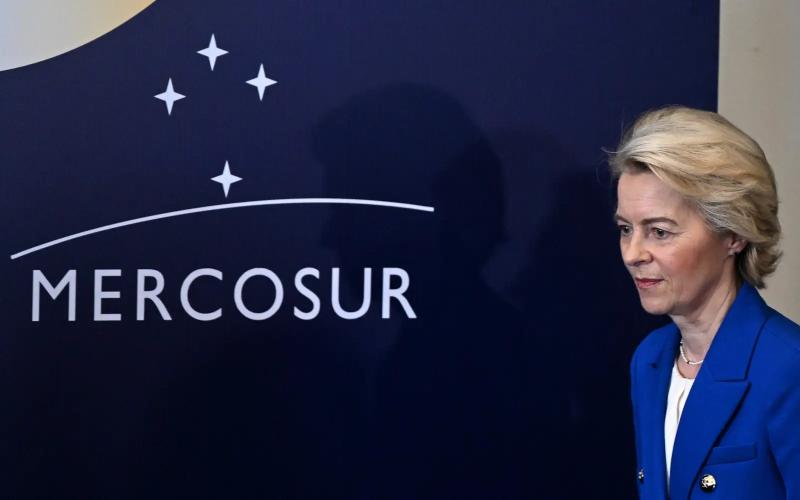
With the start of 2026, the EU has reaffirmed its strategic priorities by moving forward with one of the most ambitious trade agreements in its history. The Council’s decision to endorse the EU–Mercosur agreement marks a major step toward strengthening Europe’s competitiveness, expanding growth opportunities for businesses and citizens, and reducing economic dependencies through diversified trade partnerships.
The agreement follows weeks of intensive engagement with EU Member States and stakeholders, as well as renewed political dialogue with Mercosur partners. Just weeks after assurances were given at the European Council, the EU has delivered on its commitment, paving the way for the formal signing of the deal under Paraguay’s Presidency, with strong support fr om Brazilian President Luiz Inácio Lula da Silva.
Negotiated over 25 years, the EU–Mercosur agreement is described as a comprehensive and mutually beneficial framework that opens a new chapter in relations between Europe and Latin America. Once in force, it will create a free trade area encompassing around 700 million people, making it the largest free trade zone in the world.
At its core, the agreement aims to foster prosperity through partnership and reinforce the role of openness as a driver of economic progress. For Europe, it offers tangible benefits: around 60,000 European companies currently exporting to Mercosur—half of them small and medium-sized enterprises—are expected to benefit from reduced tariffs, simplified customs procedures, and annual savings of approximately €4 billion in export duties. Improved access to critical raw materials is also seen as a strategic advantage for European industry.
The EU has also addressed concerns raised by farmers and the agricultural sector. The agreement includes safeguard mechanisms to protect agricultural livelihoods, alongside strengthened import controls to ensure compliance with EU standards. At the same time, it opens new opportunities for European agriculture, including the protection of 350 European geographical indications—more than in any previous EU trade agreement.
From an economic perspective, the deal is expected to significantly boost trade flows. EU exports to Mercosur could increase by nearly €50 billion by 2040, while Mercosur exports to the EU may grow by up to €9 billion. As one of Mercosur’s leading trade and investment partners, the EU also anticipates increased investment in strategic sectors across the region.
Beyond trade, the agreement establishes a broader platform for political dialogue and cooperation, reinforcing Europe’s role as a reliable and long-term partner on the global stage. In a world wh ere trade relations are increasingly shaped by geopolitical tensions and transactional approaches, the EU–Mercosur deal underscores Europe’s intention to chart its own course based on partnership, predictability, and shared commitments.
The next step will be the formal signing of the agreement in Paraguay, marking the beginning of what EU leaders describe as a new era of cooperation between Europe and Mercosur.