Embrapa researcher urges Brazil to monitor bovine tuberculosis in humans
Silva identified tuberculosis of bovine origin among patients receiving care through the health service in Juiz de Fora, Minas Gerais, during his doctoral research. He says inadequate monitoring of some pathogens makes such infections difficult to identify in Brazil. He remains in contact with the Ministry of Health and wants further investigation of transmission from animals to people. His doctoral work, he says, remained an isolated study without follow-up. He argues that investigating zoonotic tuberculosis in humans should become a priority.
Milk consumed immediately after milking, including directly from a cow’s teat, can carry bacteria, viruses and other disease-causing organisms. Silva identifies Salmonella and Campylobacter jejuni among the agents responsible for gastrointestinal infections that can be transmitted through milk. He says 13 zoonoses with a substantial worldwide health impact together account for about 2.4 billion cases and 2.2 million deaths annually. Some of these diseases can spread through milk consumption.
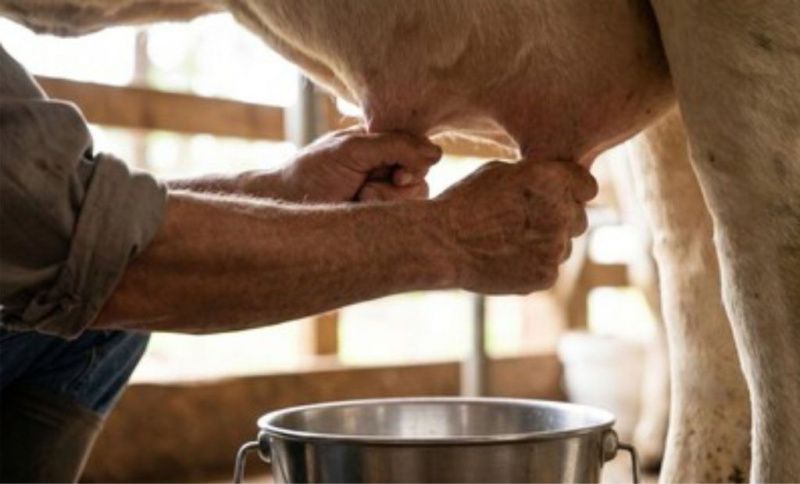
Infection can reach consumers through several routes. In a cow with bovine tuberculosis, the pathogen can cause mastitis and enter the milk. Contamination can also occur while an animal is being milked: faeces from infected livestock may enter buckets or other equipment used to collect and handle the product. Drinking it without adequate heat treatment can expose consumers to those organisms. Silva says the risk also depends on how effectively disease is controlled in cattle herds, with greater transmission risks possible where bovine tuberculosis remains difficult to control.
The researcher points to American experience with pasteurisation, which uses a combination of temperature and treatment time to sharply reduce dangerous microorganisms. According to Silva, bovine tuberculosis accounted for 25% of human tuberculosis cases in the United States before pasteurisation was introduced in the 1910s. The proportion subsequently fell to 0.1%. He also cites studies along the United States–Mexico border in which nearly half of tuberculosis cases among children were associated with Mycobacterium bovis, the bacterium responsible for bovine tuberculosis, which can also infect humans.
Silva says the proportion rose again in the border region. He says American researchers attribute part of that increase to consumption of raw milk and unpasteurised dairy products purchased in Mexico, including by people travelling between the countries. Expanded surveillance in Brazil would, in his view, help identify more exposed groups, including farmers, rural households and consumers of raw milk, cheese made from unpasteurised milk and other dairy products that have not undergone heat treatment.
A student from north-eastern Brazil recently contacted Silva after learning about an Embrapa patent for diagnosing tuberculosis in humans. Interested in investigating infections of bovine origin, she was advised to approach health professionals about joint research involving Embrapa and specialists in veterinary medicine and agriculture. Silva links this work to One Health, an approach that brings together human, animal and environmental health. He participates in discussions on the subject with the Ministry of Health.
Brucellosis is another concern. The disease can cause mastitis in cows and infect people who drink milk from infected animals. According to Silva, several Brazilian regions have yet to achieve satisfactory control of bovine brucellosis. He also cites recorded cases in women experiencing reproductive problems. He says these reports support better preparation of health services to investigate and diagnose diseases receiving limited attention in Brazil, as well as the importance of pasteurisation.