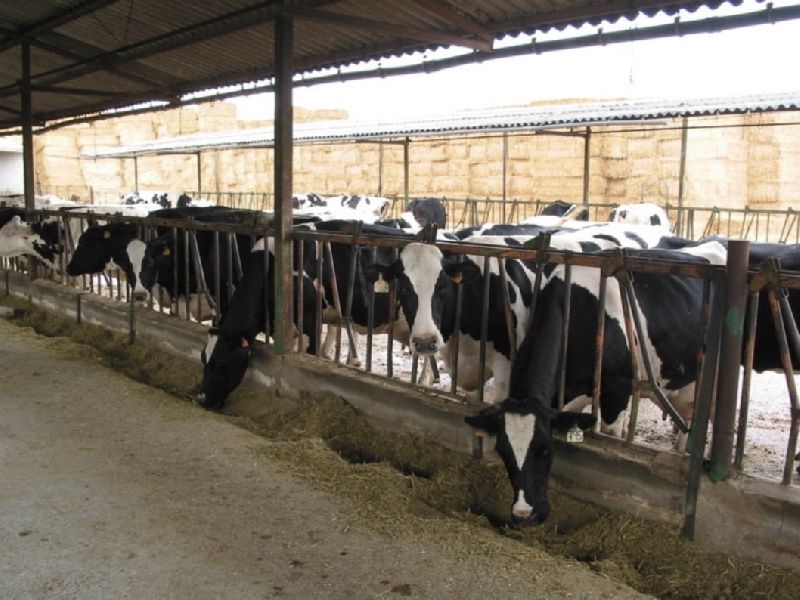
Drought is putting organic dairy farmers under severe pressure
The 2026 Organic Dairy Drought Impact Survey found that organic dairy farmers were under “severe pressure” as a result of dry conditions. Kite Consulting and the Daykin Partnership commissioned and compiled the survey, which covered farms representing 40% of the 46,000-head organic dairy herd.
Forage availability was rated a significant or severe problem by 81% of respondents. Winter feed security and farm profitability were each identified as severe concerns by 73%, while 68% said the effect on feed costs was significant. The survey also identified forage levels and winter stock levels as major concerns for a large share of farms.
Becki Reay, Kite Consulting’s head of corporate, said that conditions differed from the previous year, when favourable growing conditions in the far north and south had allowed farms to trade forage and cover shortages. In 2026, she said, drought had affected large areas, reducing the amount of forage available for purchase and raising the price of what remained. Reay said this was likely to increase production costs for organic farmers and put pressure on margins.
Organic certification rules require farms to meet minimum standards for forage in livestock diets. The survey said that 86% of respondents had chosen to cull cattle. Rob Daykin, managing director of the Daykin Partnership, described the decision as a structural response in which farms were reducing herd numbers and feed requirements instead of relying solely on additional feed supplies.
Reay said the culling would affect milk volumes immediately. She also said organic replacement heifers were not available in sufficient numbers to replace the animals, “certainly not in the next couple of years”. Kite Consulting cited earlier research indicating that organic farming is often particularly affected by climate extremes and that investment required in organic systems can cost more than in conventional farming.
Reay said that when organic farmers had lacked confidence in the long-term outlook in the past, some had abandoned organic certification or left the sector. She also said retail demand for organic dairy was stable and growing, and that farmers needed confidence to make investments that would be supported by a long-term milk price.
Separately, the farming charity RABI has announced a £2m Emergency Drought Fund. The fund is due to open on 7 September and will offer £2,000 grants towards personal and household living costs for eligible farm owners and tenant farmers whose household finances are under pressure. Applications will be introduced in five regional phases, with as many as 200 grants available in each region.
RABI chief executive Alicia Chivers said prolonged dry conditions were affecting farming households across England and Wales and increasing financial pressure. She said the fund would provide direct assistance with core living costs while households dealt with the effects of drought.