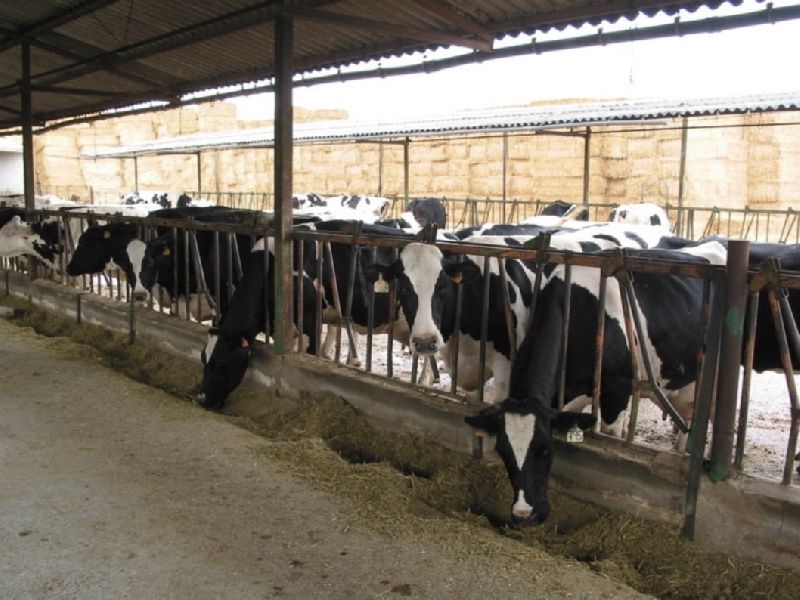
Doctors reaffirm that milk is safe and healthy

Medical and nutrition specialists in Brazil have restated that cow’s milk is suitable for most people, following the circulation of claims about its health effects on social-media platforms. The position is also reflected in a joint document issued in 2023 by the Brazilian Association of Nutrology (Abran) and the Brazilian Society of Food and Nutrition (SBAN).
That document described milk as a food consumed by humans over a long period and identified it, along with dairy products, as a source of nutrients. Data from the International Dairy Federation indicate that cow’s milk is consumed regularly by about 6.5bn people worldwide, representing more than 80% of the global population.
Carolina Nobre, a clinical functional-nutrition specialist who works at Órion Complex in Goiânia, said milk provides protein, calcium and other minerals. She said these nutrients support bone and muscle health from childhood through old age. Nobre also pointed to the product’s price and distribution, describing it as versatile and accessible, including for lower-income groups.
Processing and packaging have changed the way milk is stored and sold. Ultra-high-temperature treatment, commonly associated with long-life milk, and the broad use of aseptic cartons have extended shelf life compared with older plastic-bag packaging, which was more perishable.
Vinícius Junqueira, marketing director at Marajoara Laticínios, said the changes have also increased the range of products available to consumers. Standard UHT milk contains about 3% fat on average, while semi-skimmed varieties contain between 1.5% and 0.7%, and skimmed milk contains less than 0.5%.
Whole milk is not subjected to fat removal and retains much of its original nutritional profile. Junqueira said that neither pasteurisation nor fat reduction changes the product’s nutritional qualities; the distinction is the amount of fat. Lactose-free milk retains the nutritional values of conventional milk. Its production uses lactase enzymes to split lactose into glucose and galactose over roughly 24 hours in stainless-steel tanks, where rotating blades mix the liquid. Junqueira described the process as an external digestion of lactose.