
Detection of H5N1 Avian Influenza in European Cow Raises Dairy Sector Concerns
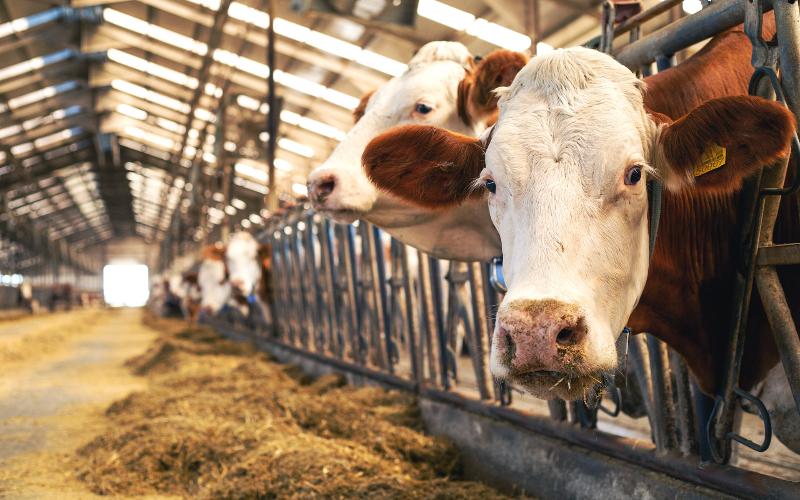
The detection of H5N1 avian influenza in a European cow marks a significant development, as it is the first recorded case of its kind on the continent. This unusual occurrence has triggered widespread concern among dairy producers and health authorities. The presence of this virus in cattle, typically associated with poultry, raises questions about cross-species transmission risks and potential impacts on the dairy market.
European health agencies have issued alerts, urging close monitoring of livestock health and biosecurity measures. The dairy sector is particularly attentive, given the implications for milk production and safety standards. While avian influenza is commonly found in birds, its appearance in a cow is unprecedented and could necessitate reviews of current veterinary protocols and monitoring systems.
Authorities are conducting investigations to determine how the virus was transmitted to the cow and assessing the potential for further spread. Measures may include enhanced surveillance and testing of cattle herds to prevent any impact on the dairy supply chain. The incident could prompt adjustments in export regulations and international trade policies concerning dairy products if the situation worsens.
Impact on Dairy Trade and Regulations
The detection of H5N1 in cattle may influence dairy trade, as importing countries could impose restrictions or demand additional certifications. This could affect exports fr om regions considered at risk, impacting market dynamics and pricing. Regulatory bodies in Europe are likely to reevaluate safety standards and consider implementing new guidelines to address this emerging threat.
Industry Reactions and Precautionary Measures
Dairy producers and industry associations are closely watching developments, with many advocating for increased funding for research into disease prevention and control. The priority is to ensure that milk production remains safe and that consumer confidence is maintained. Enhanced biosecurity measures are being promoted to lim it any potential spread of the virus within the livestock population.