Dairy Programs Are Training Workers for Plant Roles
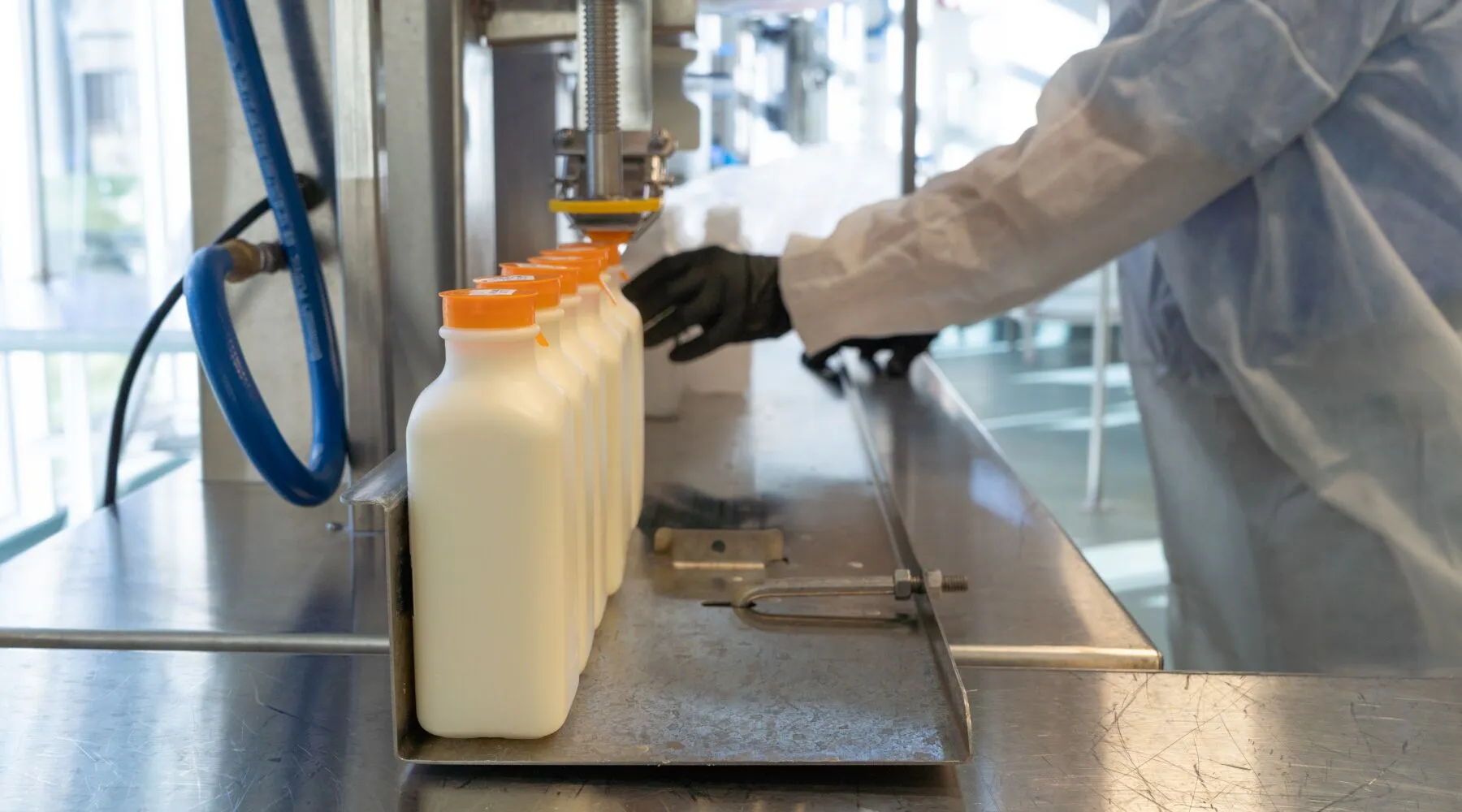
Workforce training has become a prominent focus for dairy manufacturers as processors invest billions of dollars in new capacity and modernised facilities. Industry groups and agricultural extension services are presenting processing as a field with specialised technical positions and structured career paths, rather than only as a source of traditional farm labour.
One route is the online Certificate in Dairy Processing, administered by the Center for Dairy Research with partner associations. Its curriculum covers dairy microbiology, milk composition, sanitation, pasteurisation and equipment mechanics. It also includes instruction on cheesemaking, butter production and the use of dairy ingredients in manufactured products.
The programmes are designed for both new entrants and existing plant employees. Their training is aimed at preparing workers for operational positions as processing sites adopt more automated production lines, membrane-filtration equipment and computer-controlled clean-in-place systems. These technologies have increased the technical knowledge required on the plant floor.
Processors are seeking more than entry-level line staff. Plants also require technicians who can monitor preventive food-safety controls under the PCQI framework, carry out laboratory tests and improve yields on high-speed packaging and value-added production lines. The range of duties gives training providers material for courses linked to operations, safety and product quality.
Many initiatives use a hybrid format. Participants can complete lectures online at their own pace and then apply the material at work with support from experienced plant mentors. Some processors pay for employees to obtain credentials and use apprenticeship schemes to establish promotion routes from initial plant positions into quality assurance, supervision and dairy-operations management.
The sector is also dealing with demographic turnover and continuing labour constraints across agricultural supply chains. Formal career pathways are being used to create accessible entry points and technical qualifications for prospective workers and existing employees. The stated aim of these initiatives is to maintain the personnel needed for safe and efficient processing operations and for plants to operate at their intended throughput.