Dairy Australia Assesses Low Bird Flu Risk for Farmers
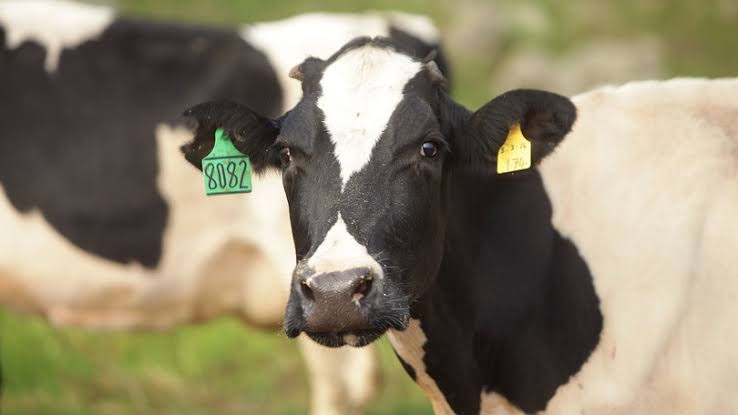
According to a risk analysis conducted by the Department of Agriculture, Fisheries and Forestry (DAFF) in collaboration with Dairy Australia, the likelihood of the H5 bird flu virus spreading from wild birds to commercial dairy herds in Australia is minimal. This assessment considers Australia's unique geography, farming practices, and existing biosecurity protocols.
Currently, the specific H5 genotype known as 2.3.4.4b, which has caused significant outbreaks in dairy cattle in the United States, has not been detected in Australian herds. The United States remains the only nation to report extensive H5 bird flu infections in dairy cattle.
In response to the global bird flu situation, Australian agricultural organizations have increased their preparedness efforts. Dairy Australia, along with the Australian Dairy Farmers (ADF) and the Australian Dairy Products Federation (ADPF), is collaborating with both federal and state authorities to maintain active surveillance and support farmgate readiness.
Despite these concerns, retail milk supplies and overall farm production in Australia remain unaffected. However, Dairy Australia advises farmers to revisit and reinforce their biosecurity measures. Recommended actions include ensuring clean water supplies, restricting wildlife access to feeding areas, and closely monitoring the health of their herds.
Common symptoms associated with bird flu in cattle, as reported internationally, include sudden drops in milk production, loss of appetite, lethargy, fever, and changes in milk consistency. Farmers are urged to be vigilant for these signs and to report any unusual occurrences promptly.